The Silo Saga · Book I · 2011–2012
Wool
A sheriff asks to go outside, and the one rule his buried world lives by begins to come apart.
Wool began as a short story. In July 2011 Hugh Howey self-published it on Kindle Direct Publishing as a stand-alone, a sheriff who asks to go outside; readers asked what happened next, and between November 2011 and January 2012 he answered in four more parts, each longer than the last, written and released as he went. The five were gathered as the Wool Omnibus in January 2012; Simon & Schuster bought the North American print rights, reportedly for about half a million dollars, and published it in March 2013. The part titles are knitting terms — Proper Gauge, Casting Off, The Unraveling, The Stranded — and wool is also what the cleaners scrub with.
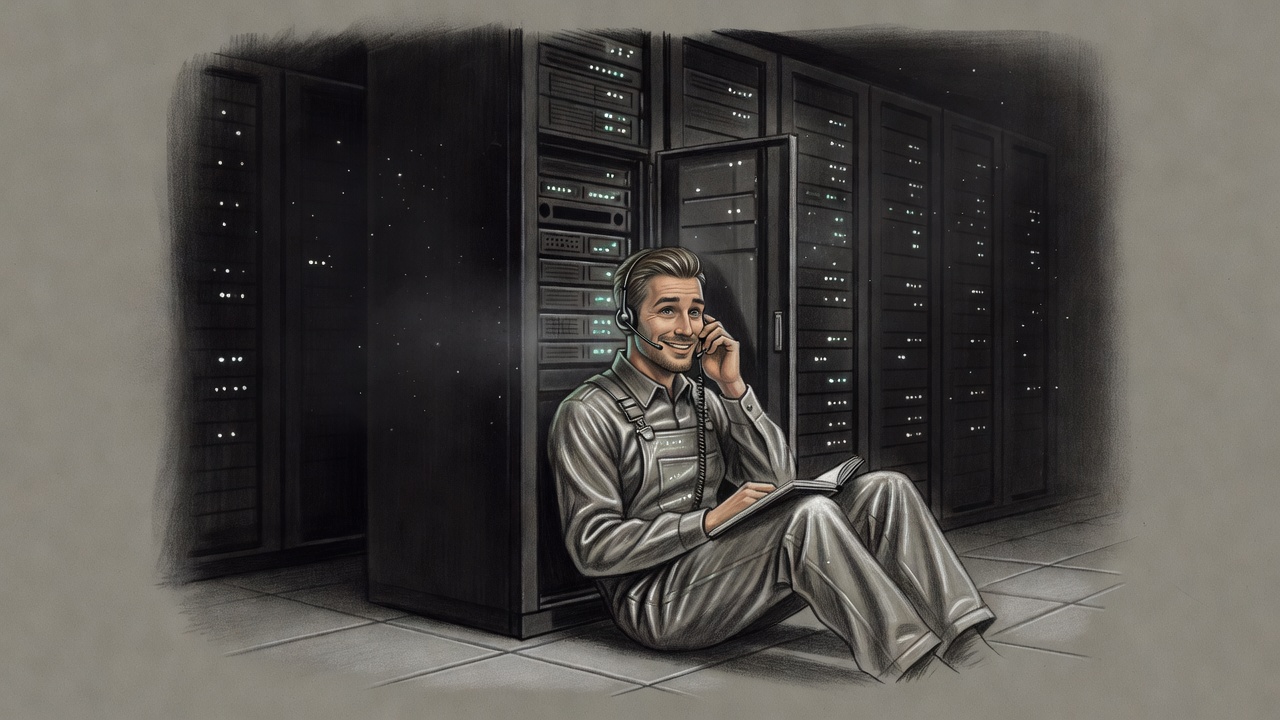
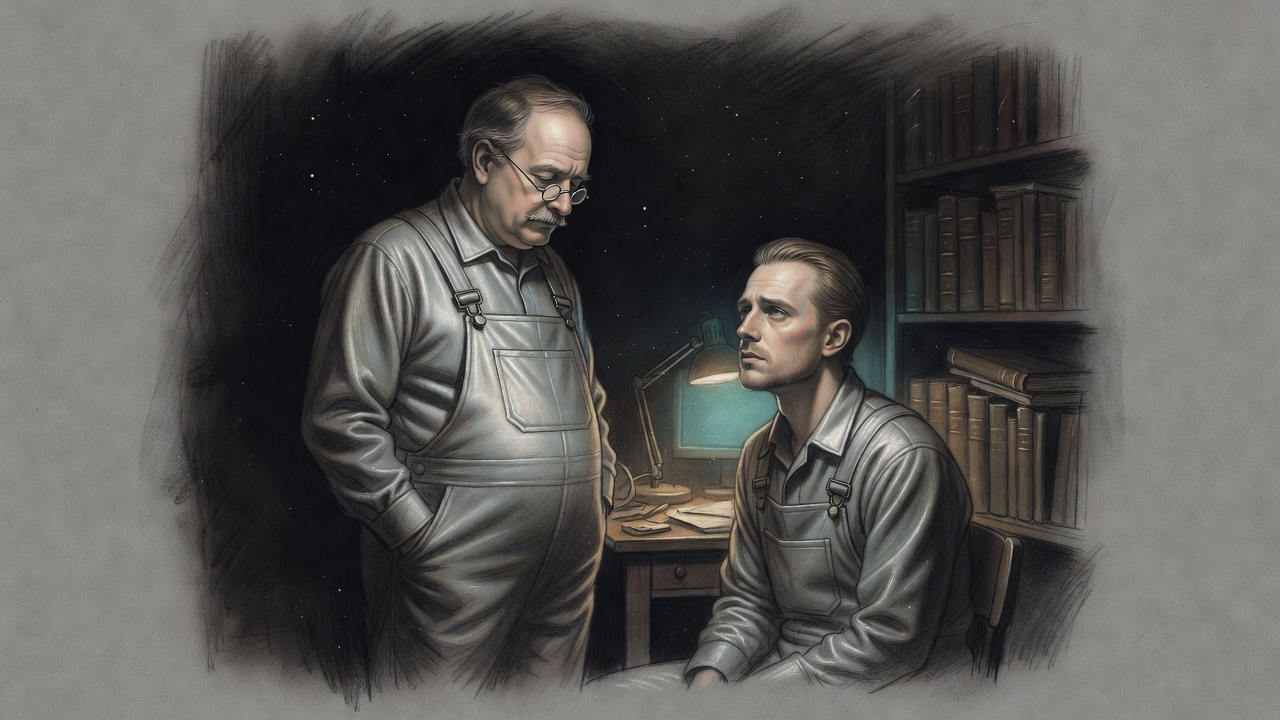
It is a relay. The first two people it follows die, and each hands the story on: Sheriff Holston to Mayor Jahns, Jahns to Juliette Nichols, a mechanic from the bottom of a silo a hundred and forty-four levels deep, whom we first meet through the eyes of two people who will not outlive choosing her. From then on it is Juliette’s book, with the silo’s IT department and its head, Bernard, on the far side of a widening crack, and a young stargazer from IT named Lukas caught in between.
In the series Wool is the present tense. Shift goes back to show who built the silos and why, and runs alongside and past this book; Dust picks up where it ends. Wool itself explains almost nothing about the world outside except that the view of it is a lie. Howey has said it grew from a question: can we know the world by looking at it through a screen, or must we go and see? Page references here are to the 2013 Simon & Schuster paperback; its last chapters were checked in the 2020 Houghton Mifflin Harcourt edition.
Holston
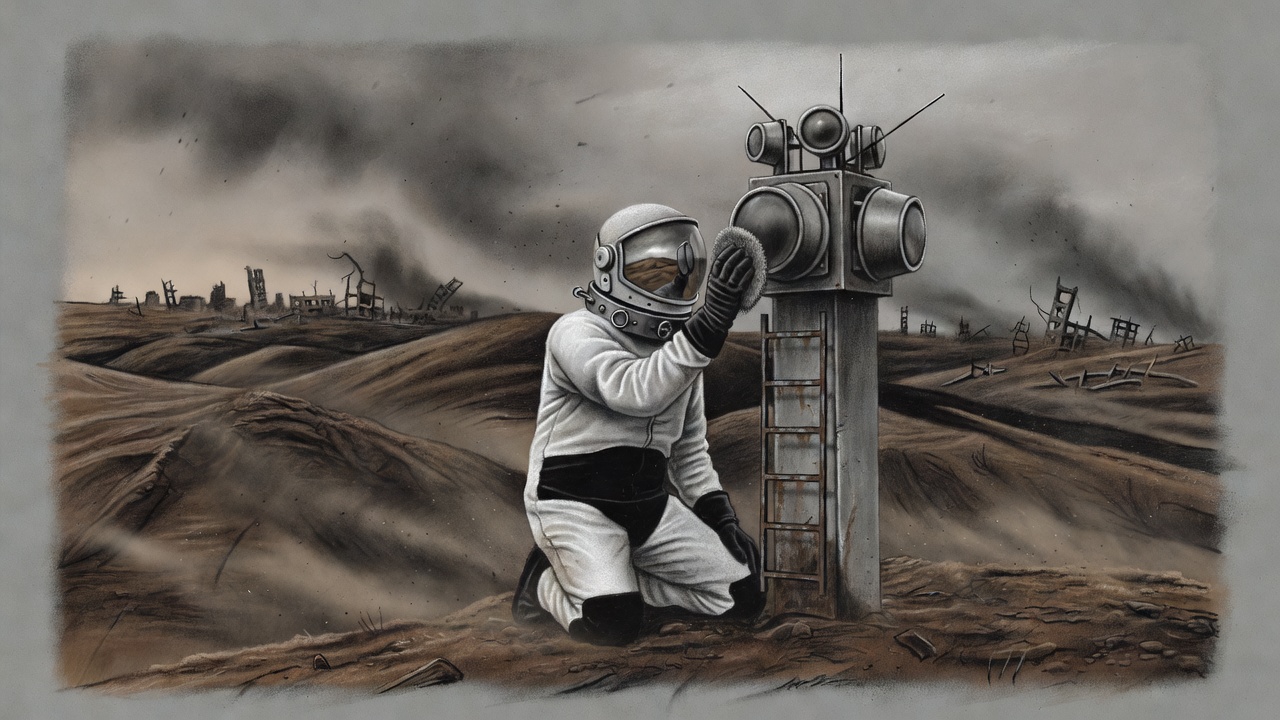
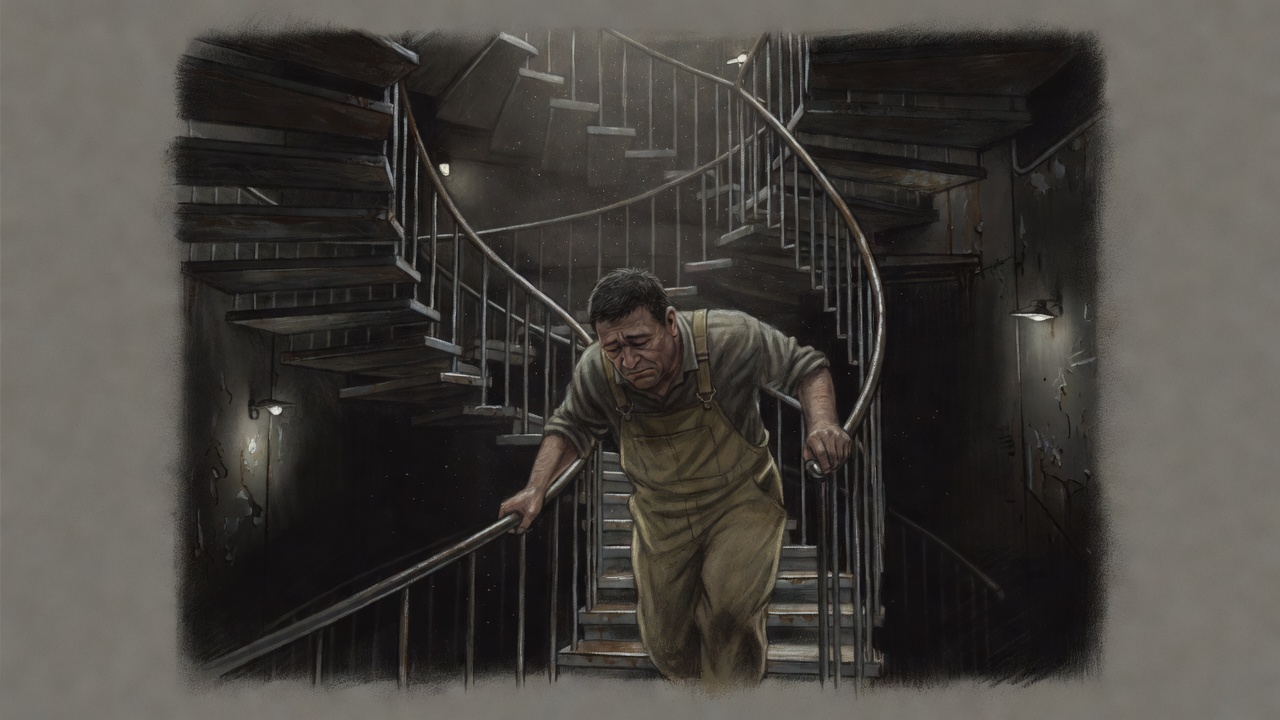
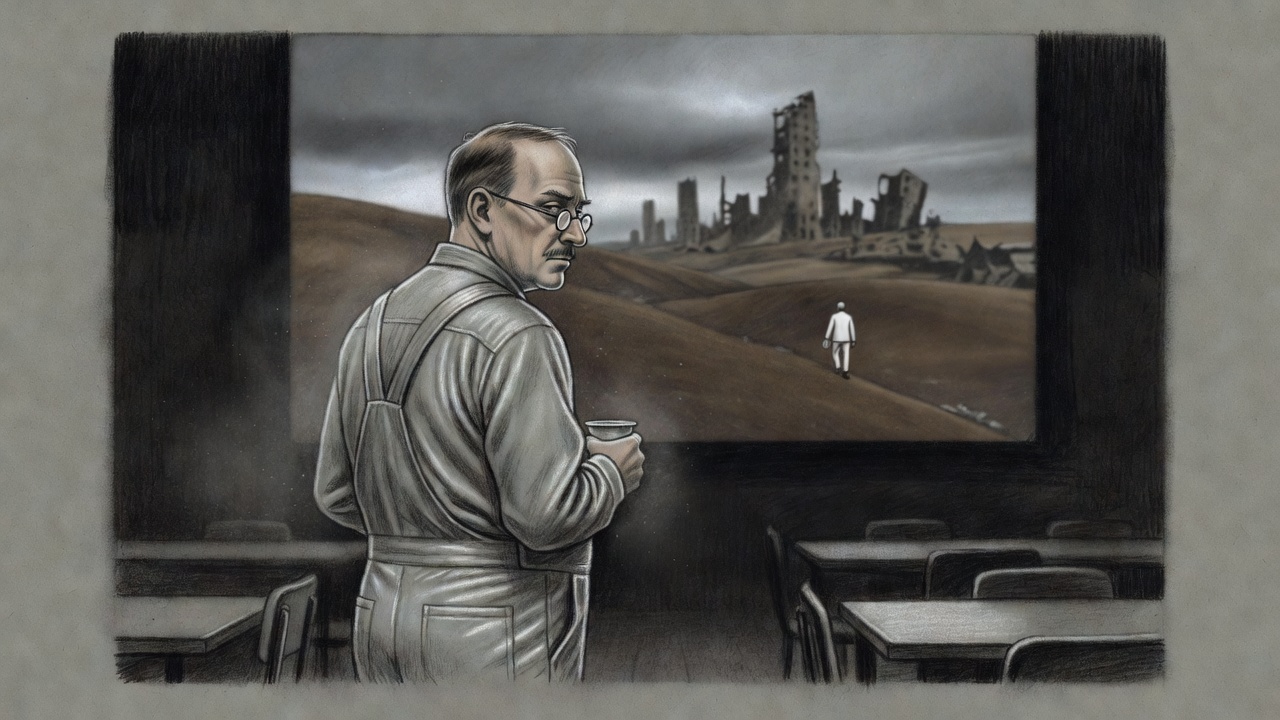
In Silo 18, a buried city of a hundred and forty-four levels joined by one great spiral staircase, Sheriff Holston climbs toward the top floor, where children are playing. The up top holds the cafeteria and its wallscreen, the silo’s only view of the world: a grainy picture of brown hills, dark cloud and a rotting city on the horizon, fed by sensors outside that grime slowly blurs. He still carries the lottery ticket he and his wife Allison won the year she died, their one year to try for a child. In his office he tells his deputy, Marnes, to fetch the mayor — “Tell her I want to go outside” — and walks into his own holding cell.
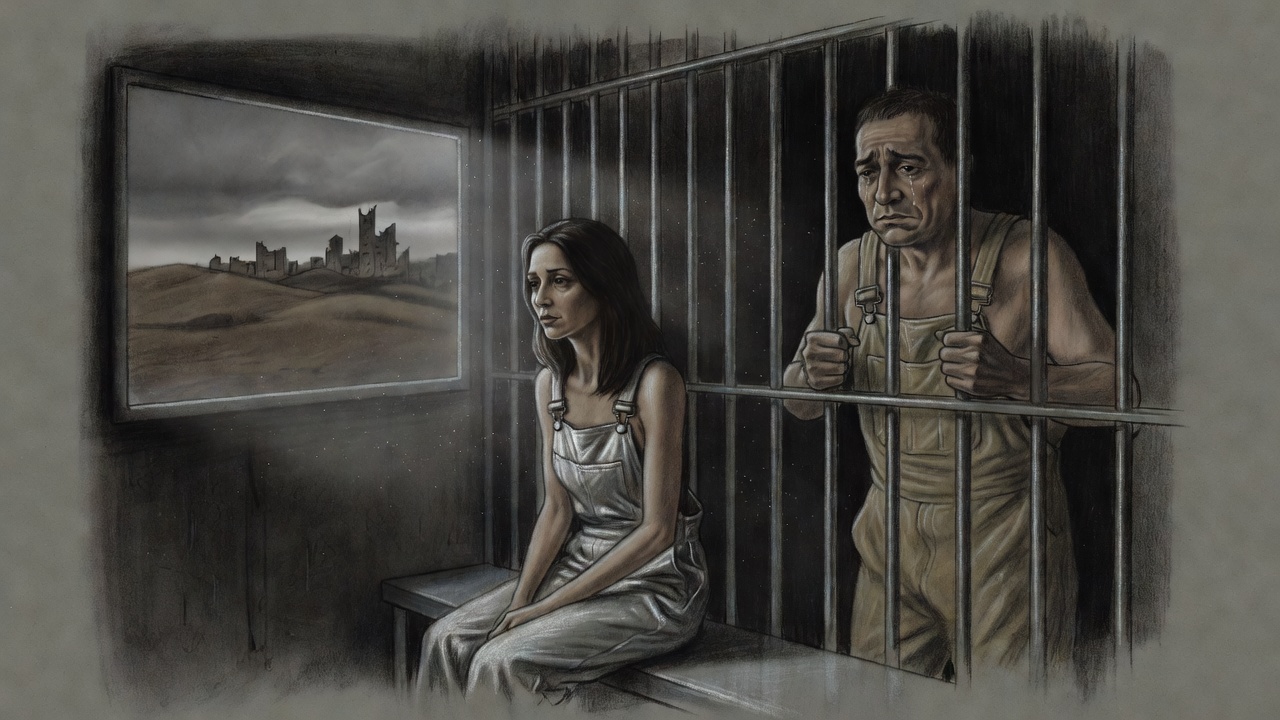
Those words are a death sentence. Whoever says them is suited up and put through the airlock to clean the sensors, and does not come back. Everyone who sits in that cell swears they won’t clean, and then they do; what worries people, old Mayor Jahns tells him through the bars, is that Holston swears nothing.
The chapters alternate with three years earlier. Allison, a computer technician who has published a paper on recovering overwritten files, has been digging deleted records out of the silo’s machines. Uprisings, she finds, once came every generation or so, and after the last great one there were none. She decides that far more has been deleted than the uprising, and that the view on the wall is a fabrication. One day she stands at the yellow airlock door shouting that she wants to go out, and Holston has to lock his own wife in the cell. There she goes calm. That night she tells him she will come back for him.
If that hill is there and it’s green, we’ll go over it together.
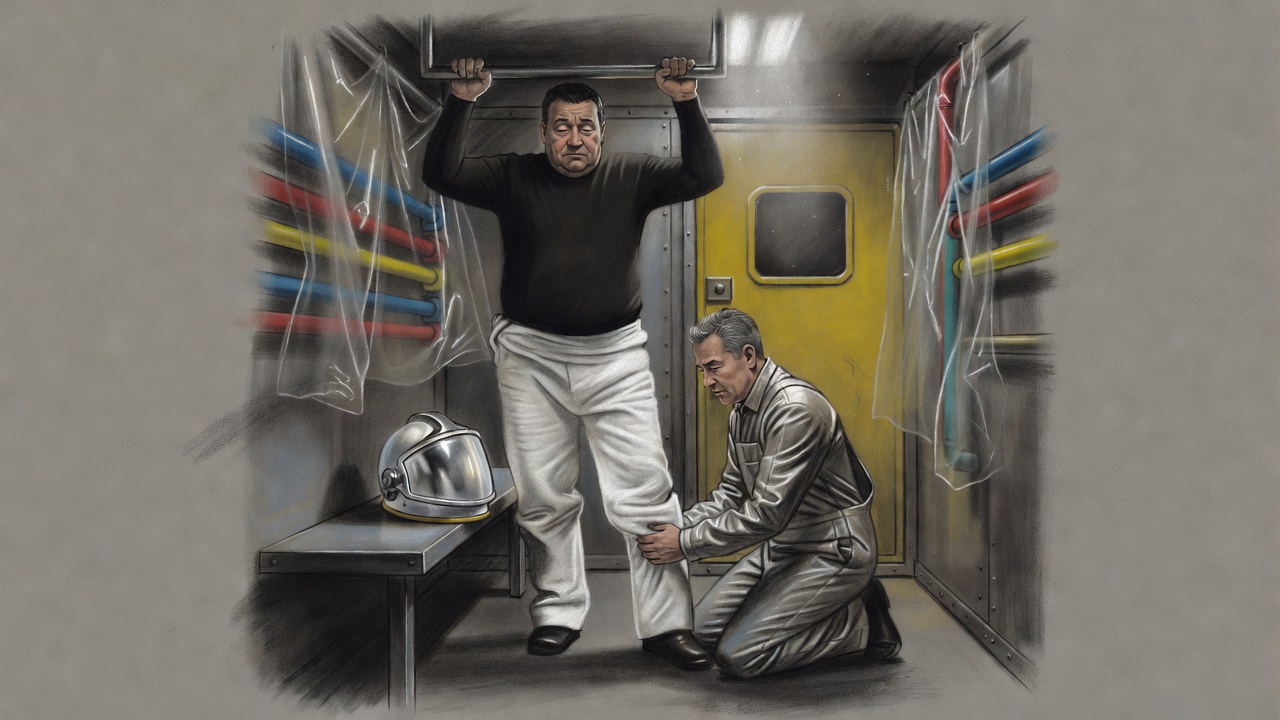
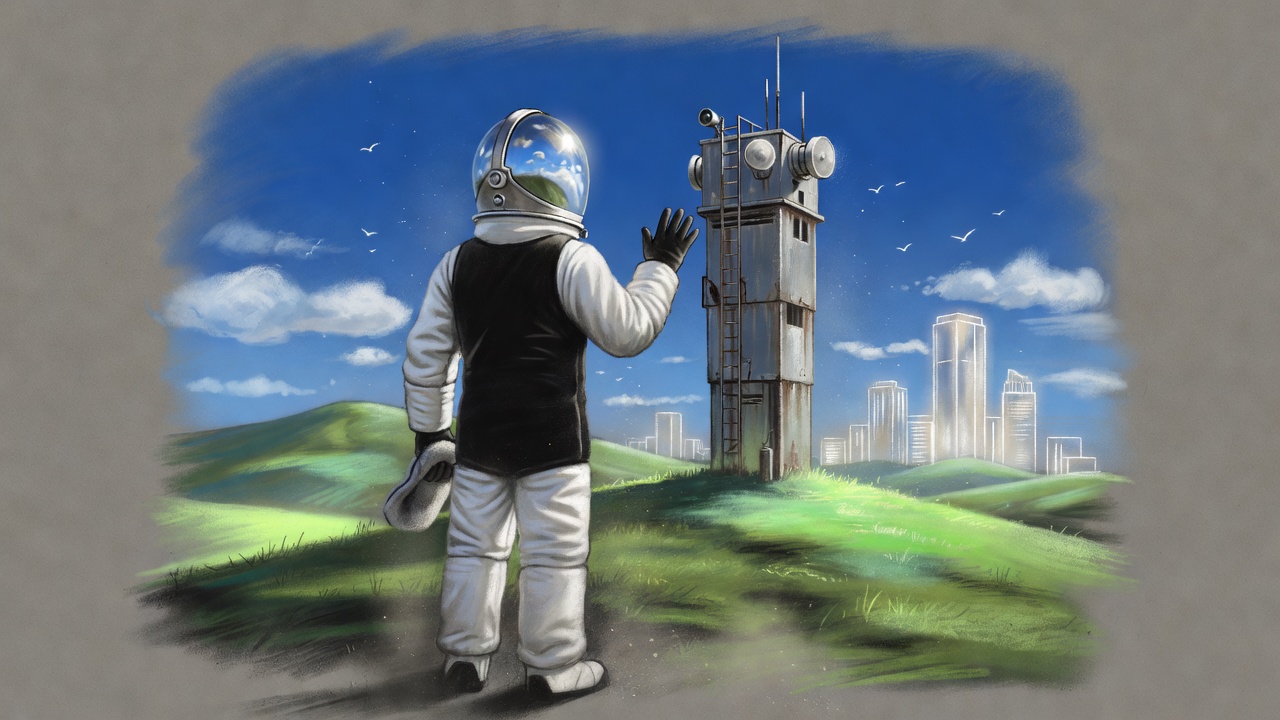
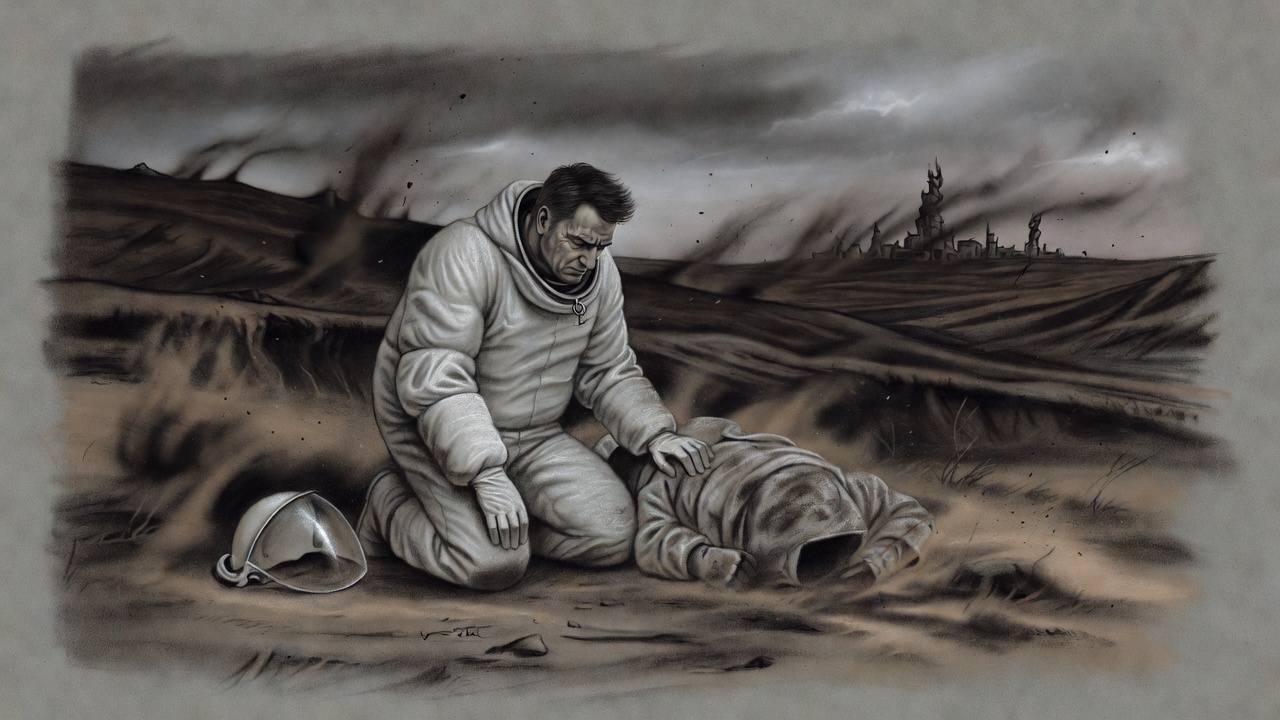
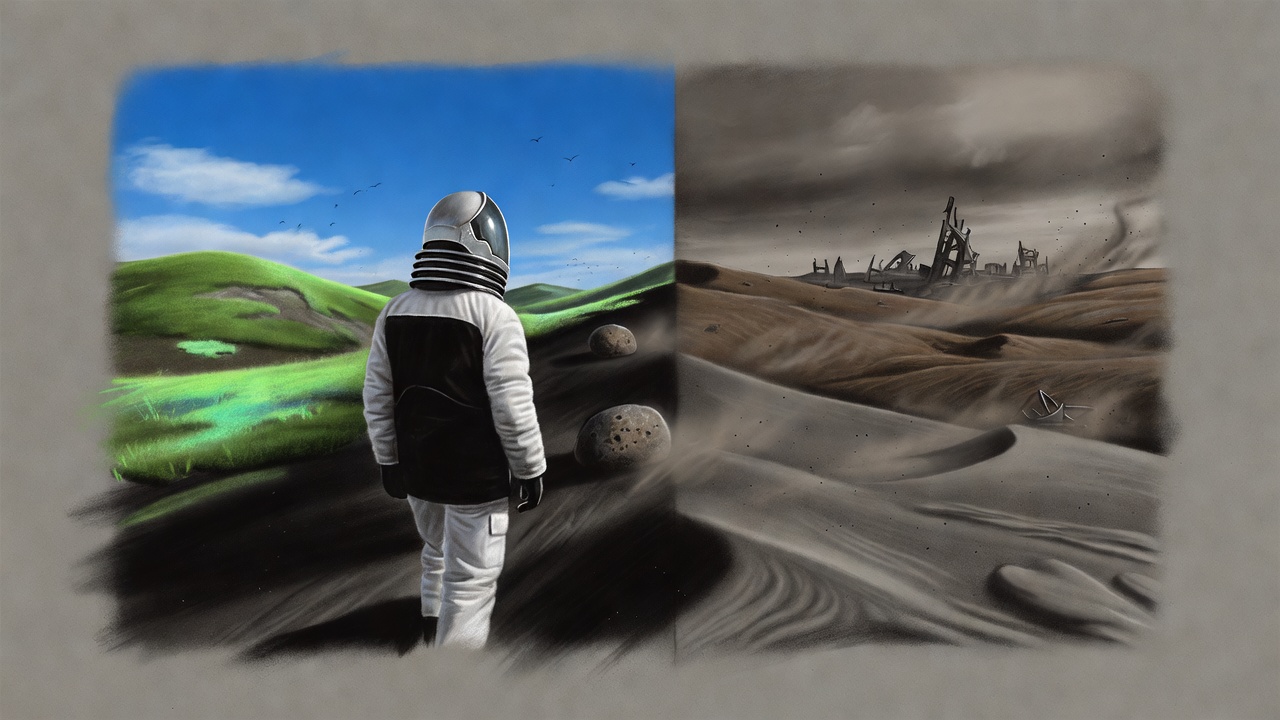
Her body lies somewhere on the hill. For a year Holston waited for a ghost to knock at the airlock; by the third anniversary he has decided to follow her. Nelson of the cleaning lab suits him up, reciting the procedure, wool pads and all. Argon floods the airlock, and Holston climbs a concrete ramp into a picture book: green grass, blue sky, white clouds, the city beyond the hill whole and shining. Allison was right, he thinks. He cleans the lenses anyway, out of pity and joy for the people inside, waves at the camera, and starts up the hill. His stomach cramps; the visor blinks. He tears off the helmet to breathe, and the truth arrives with the poison. The world is the dead brown one on the wallscreen. The green lived on a screen inside his visor. The boulder he tripped on is Allison. He dies beside her.
Proper Gauge
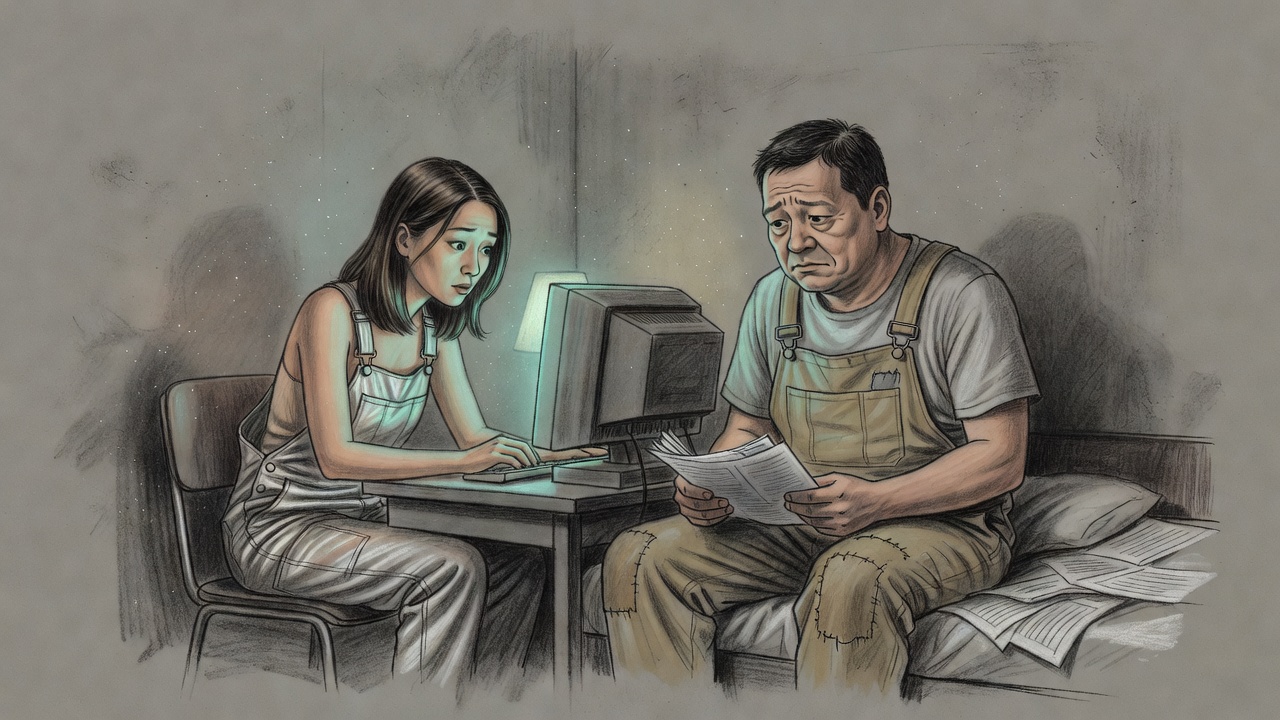
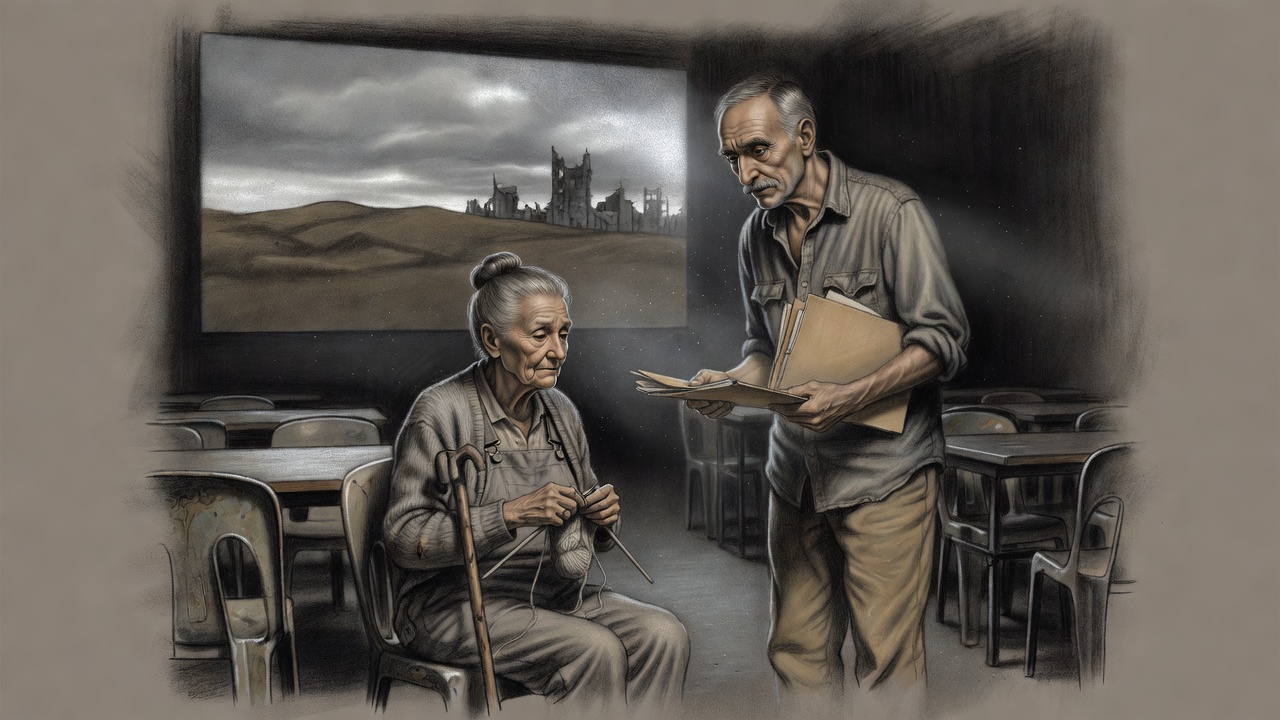
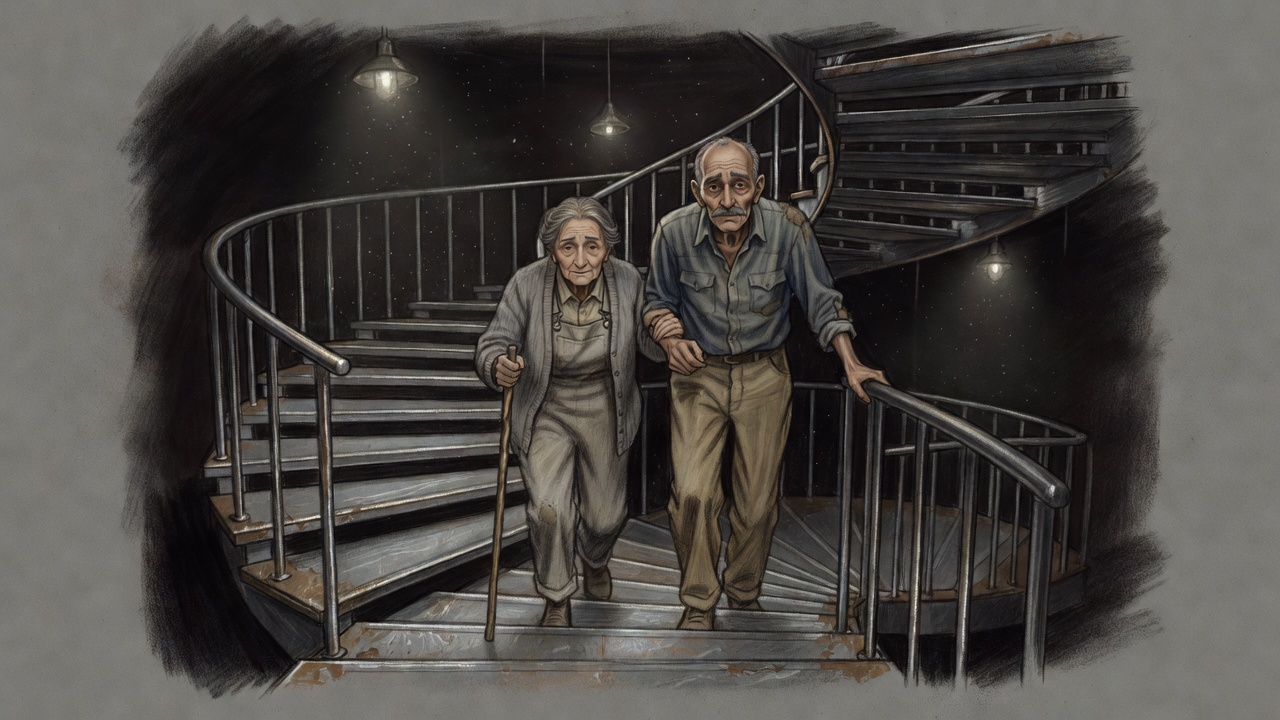
The morning after a cleaning, when the view is sharpest, Mayor Jahns knits in front of it in a faded plastic chair, thinking about needles: too small and the sweater comes out too tight, too large and it is full of holes. The silo needs a sheriff. Marnes, gaunt and sixty, brings three folders and makes no secret of his choice, Juliette Nichols, a mechanic from the down deep; the other two, one of them a Judicial clerk named Peter Billings, are filler. Jahns, who has rarely been much past the fortieth floor, decides to walk down and take the measure of this woman herself.
It needles me deep, Marnes. It needles me straight through.
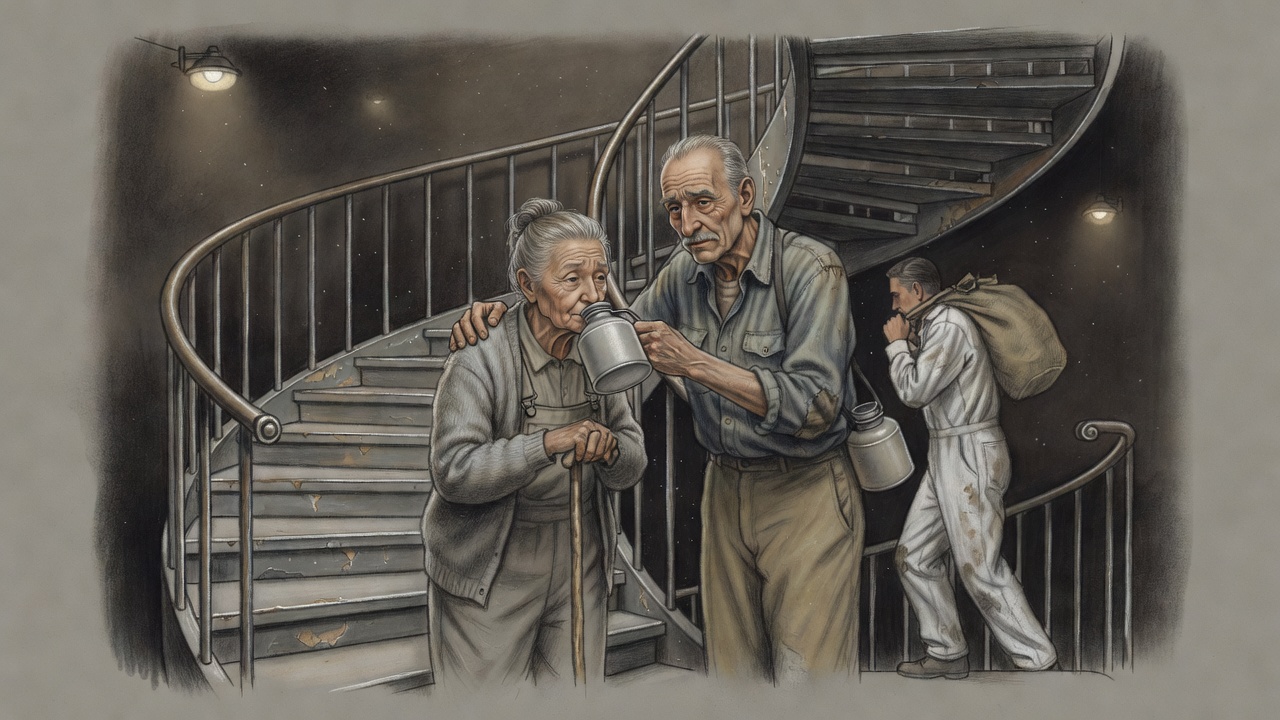
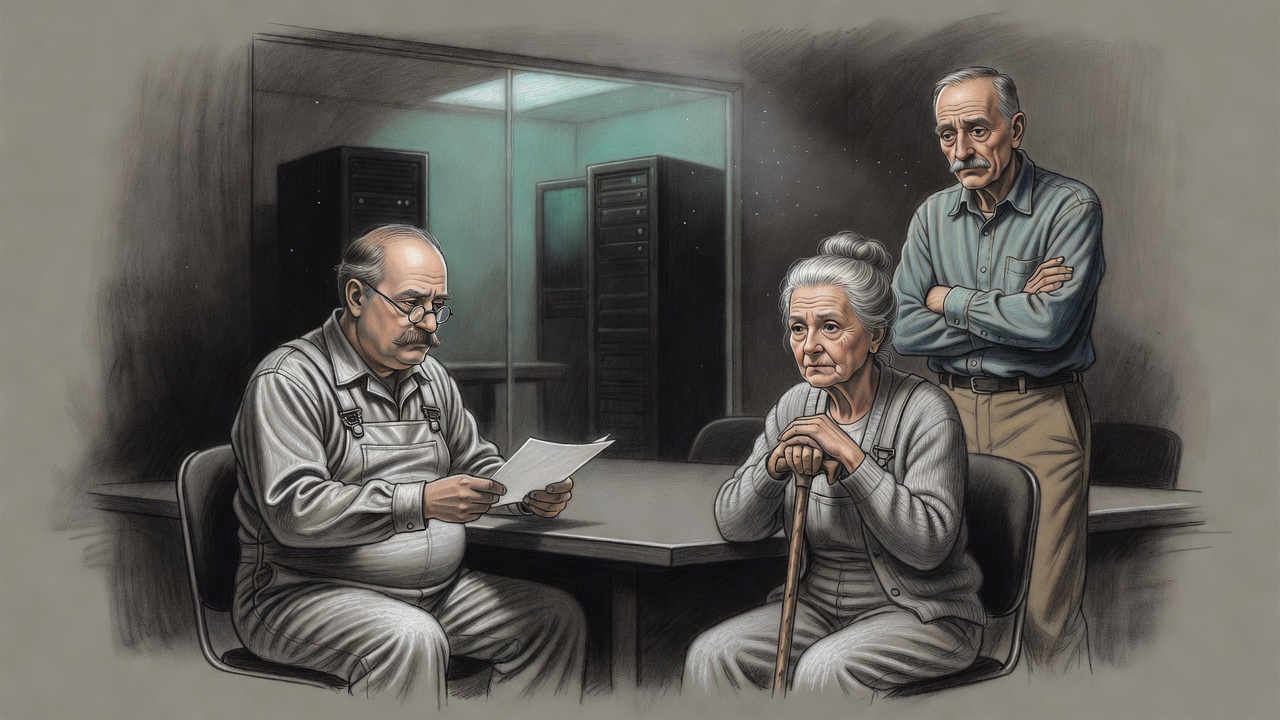
Her walking stick rings on each step, porters overtake them, and twenty floors take a little over two hours. In the nursery Juliette’s father, Dr. Peter Nichols, tells them of a premature son lost when an incubator failed, and of a daughter who went down to Mechanical as a shadow and never visits. On the way Jahns notices she has been drinking from Marnes’s canteen all day; each is carrying the other’s water. At IT, on thirty-four, its head, Bernard, plump and bespectacled, has already offered the post to Billings and produces a signed contract. Jahns refuses it: the choice is hers. Bernard has their canteens refilled and watches the two old friends with interest.
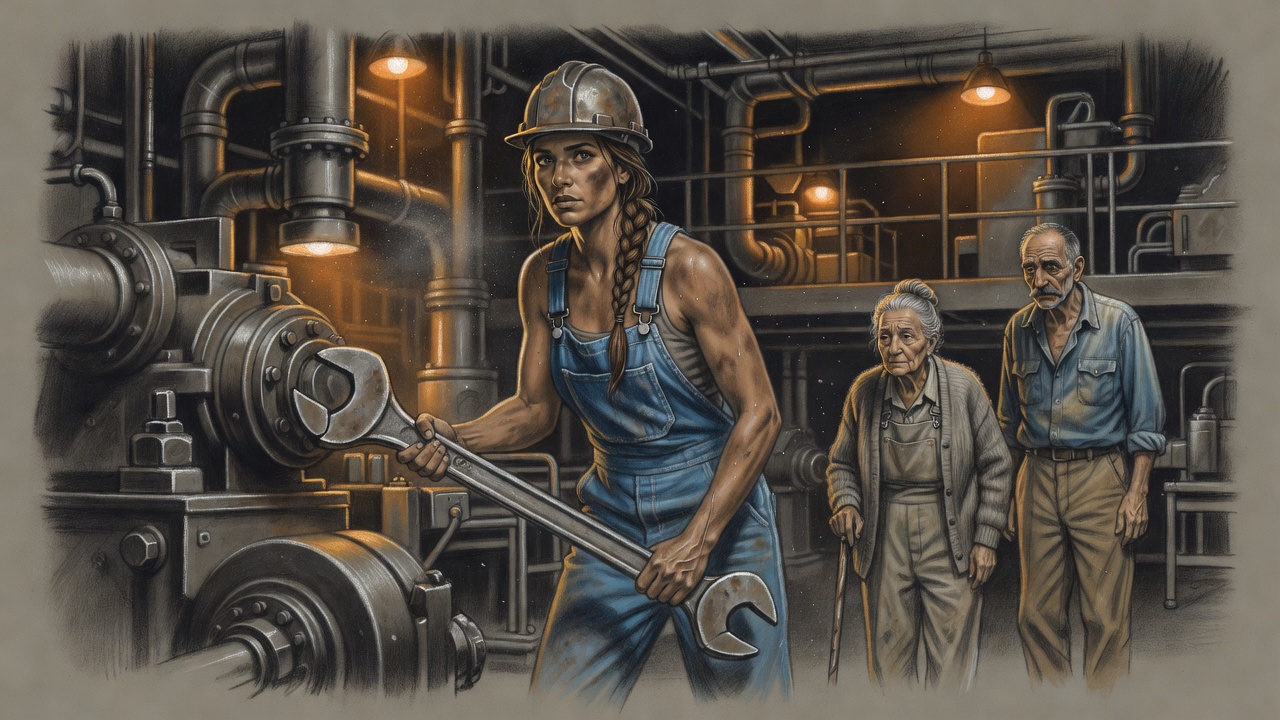
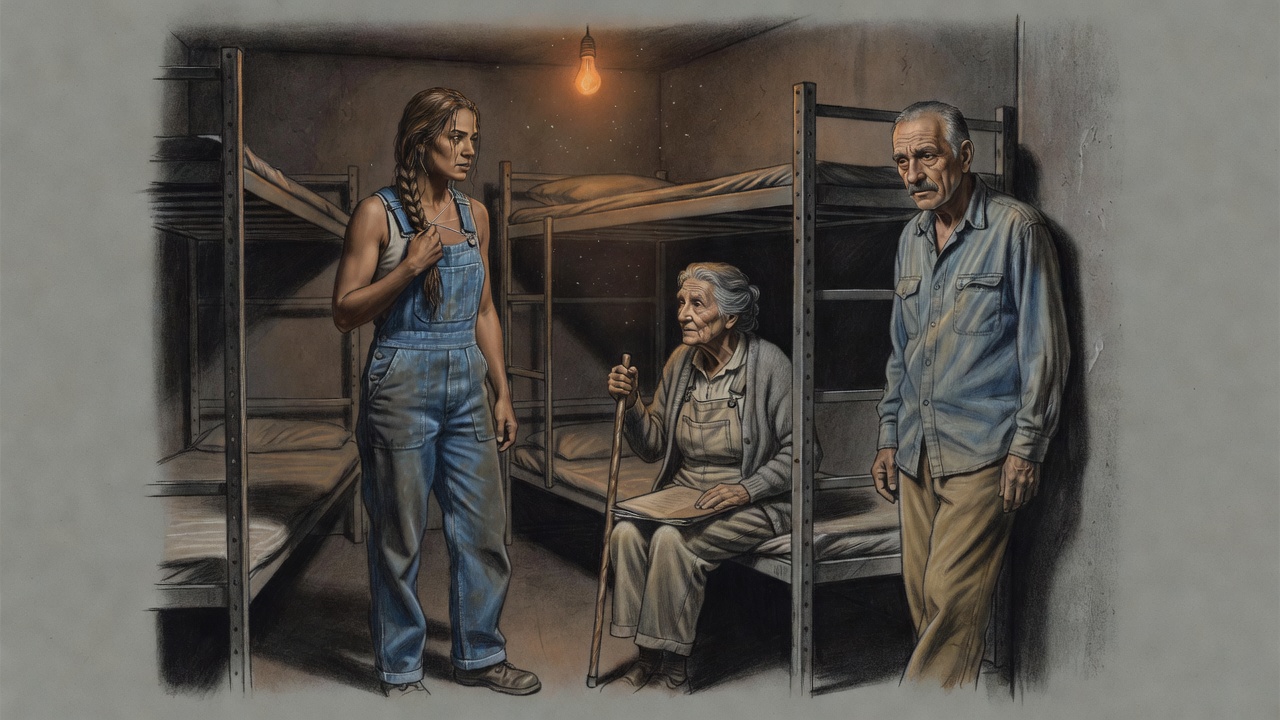
Two days down, through the gate at one forty, they meet Knox, the bearded head of Mechanical, and then Juliette, a hard hat on her braided hair, leaning into a wrench almost as long as she is tall. Over a meal the young mechanic Marck and his wife Shirly tell stories about her. In the bunk room, hair wet and tied back with string, she flinches at a question about her father and learns that IT keeps a thick file on her for intercepting its heat tape. She will take the star on one condition, a power holiday so she can service the main generator, and she will always count herself Mechanical.
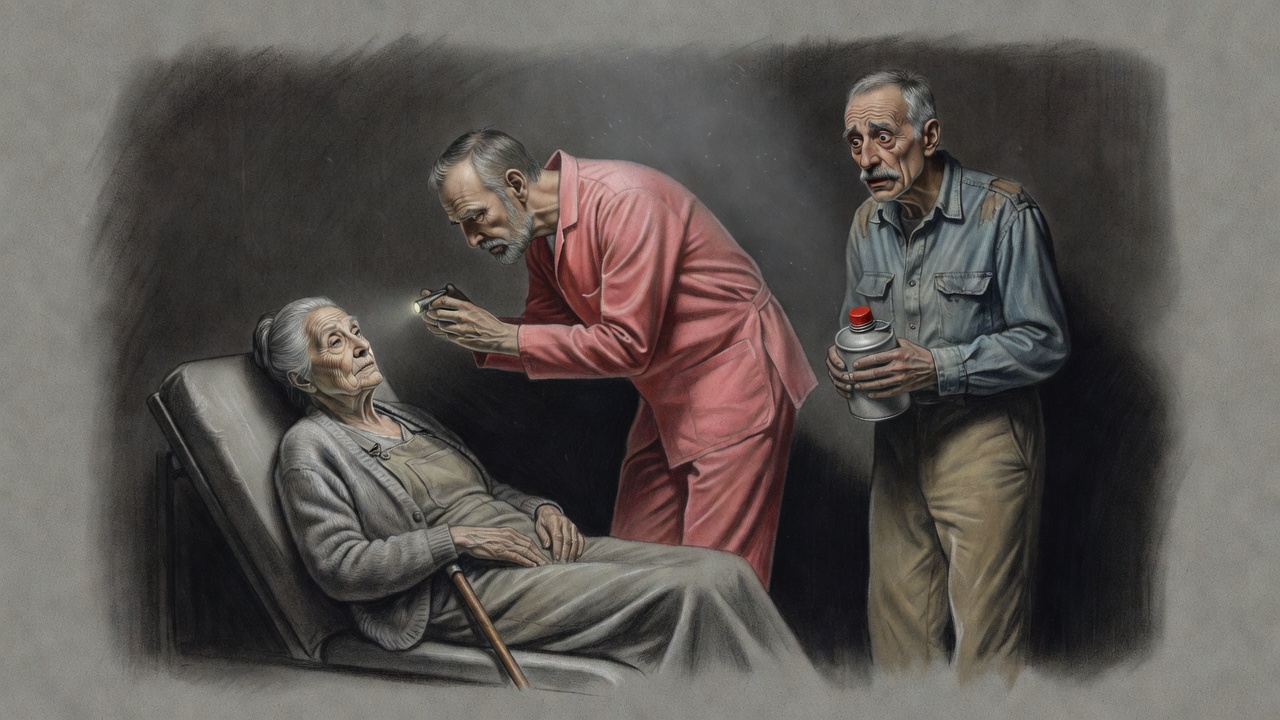
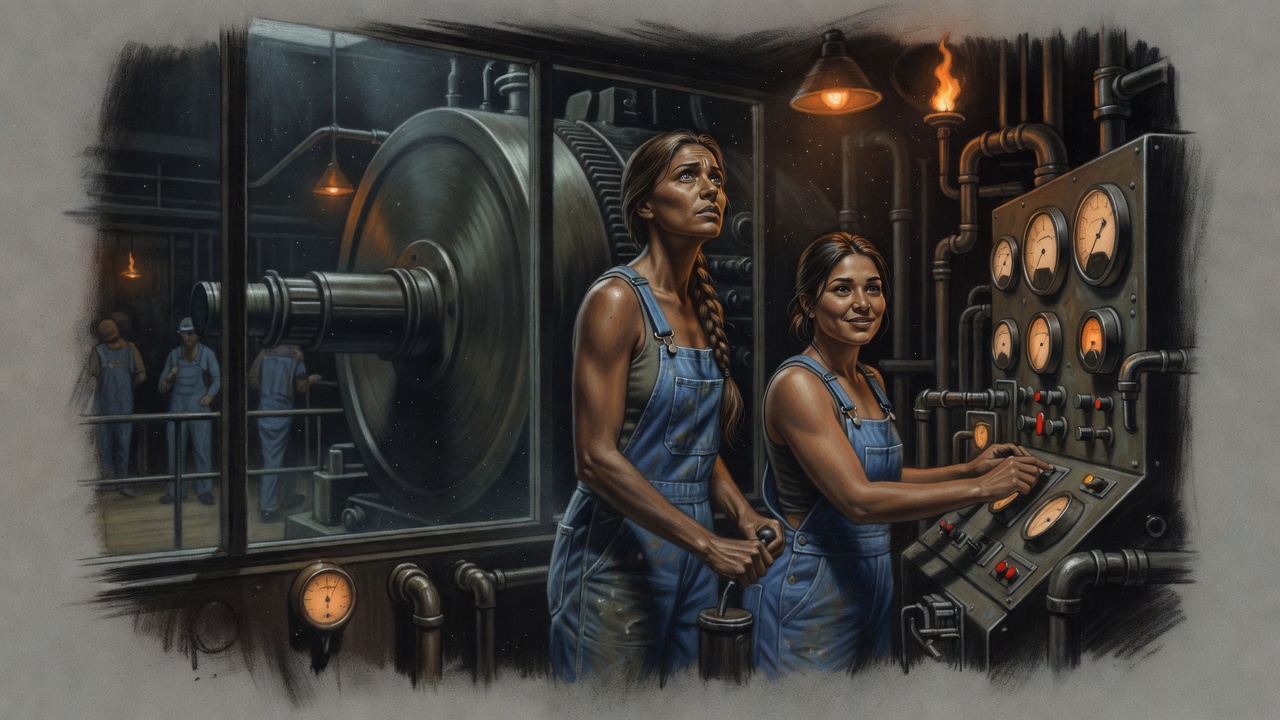
They climb home in the brownout. After decades of unspoken love, with Donald — Jahns’s late husband, Marnes’s best friend — between them, they spend a night together. At IT Bernard, furious that the power holiday endangers his servers, calls her Marie, and his staff top up their canteens again. Near the top, at Dr. Nichols’s ward, Jahns collapses. As he works over her she understands: the water was poisoned, the canteen was Marnes’s own, and the poison was meant for him. Far below, in a generator room crowded and silent, Juliette’s refit catches and holds, and a wail comes down the stairwell.
Casting Off
The part opens with a single page: Juliette in a cleaning suit between the airlock’s two doors, looking down at the numbered pockets on her chest. Then it goes back.
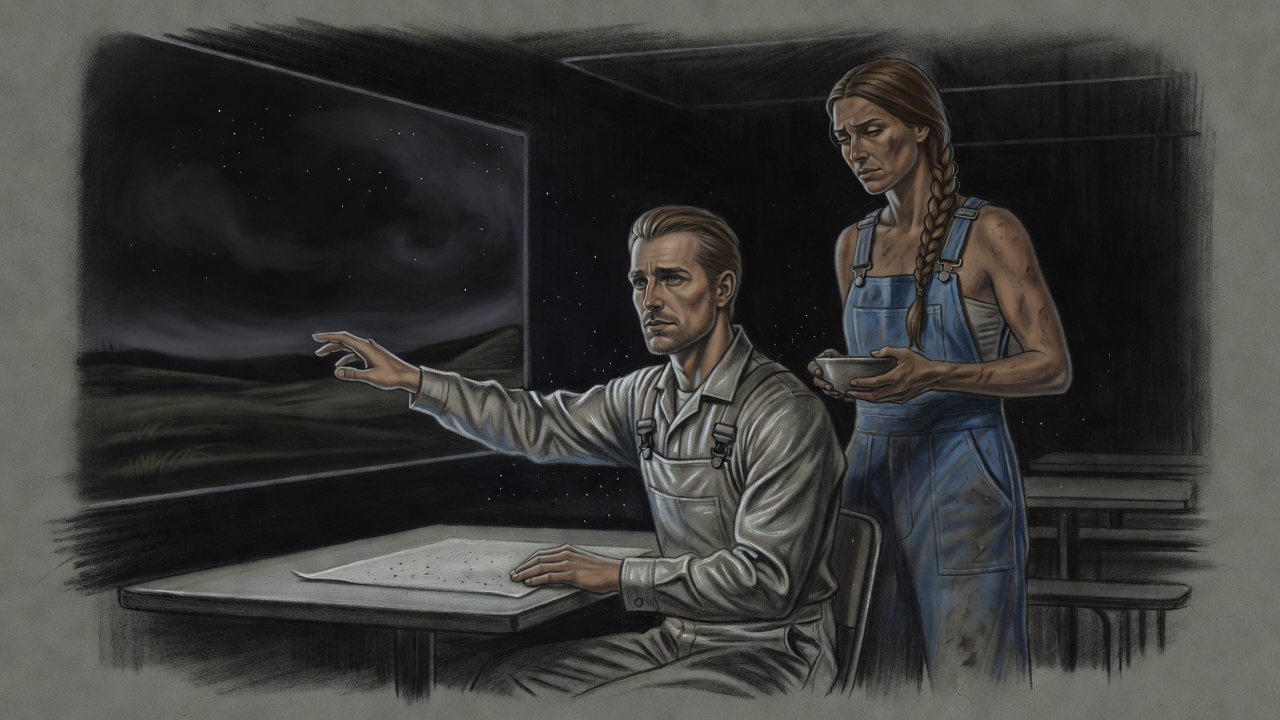
As sheriff she works from the holding cell rather than Holston’s desk, the poisoned canteen in an evidence bag on her folders, and keeps returning to two files: Holston’s, and that of George, the man she had loved, dead three years. Bernard, acting mayor now as well as head of IT, drops by and eyes the canteen. One night she finds a young man in the dark cafeteria with a big sheet of paper covered in dots: Lukas Kyle of IT, who charts the stars when the clouds part. He is twenty-five; she is thirty-four.
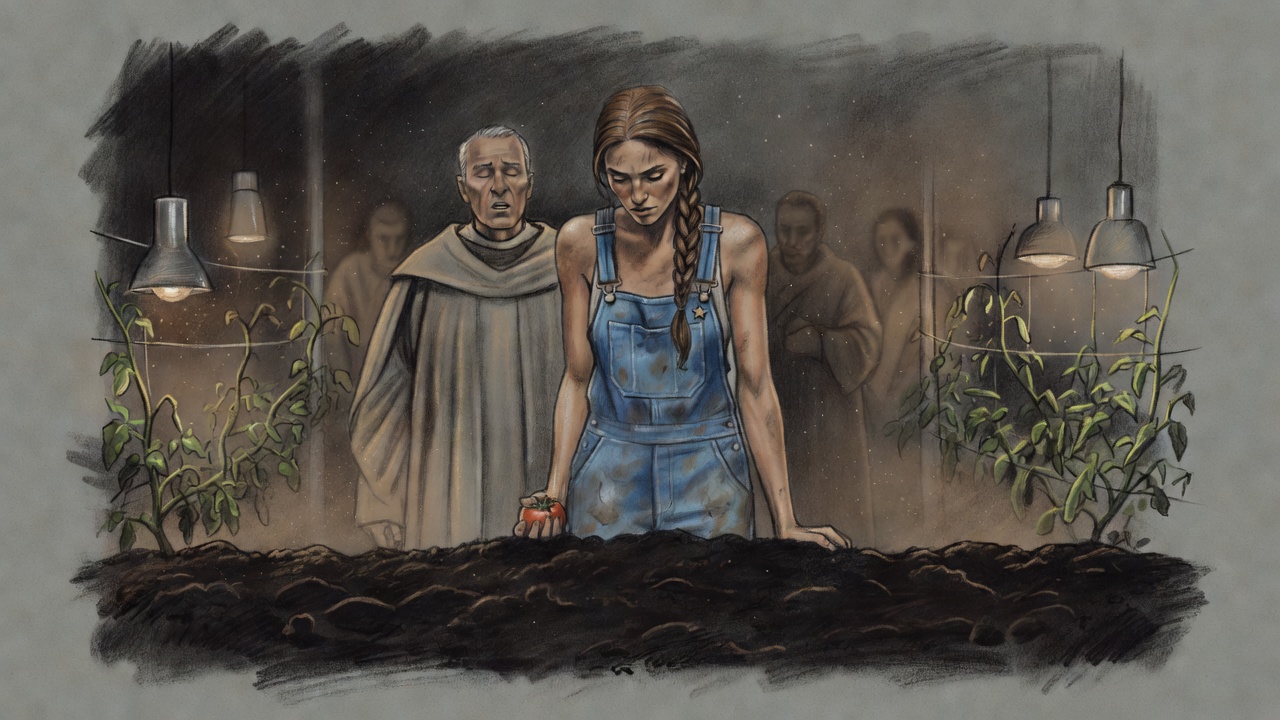
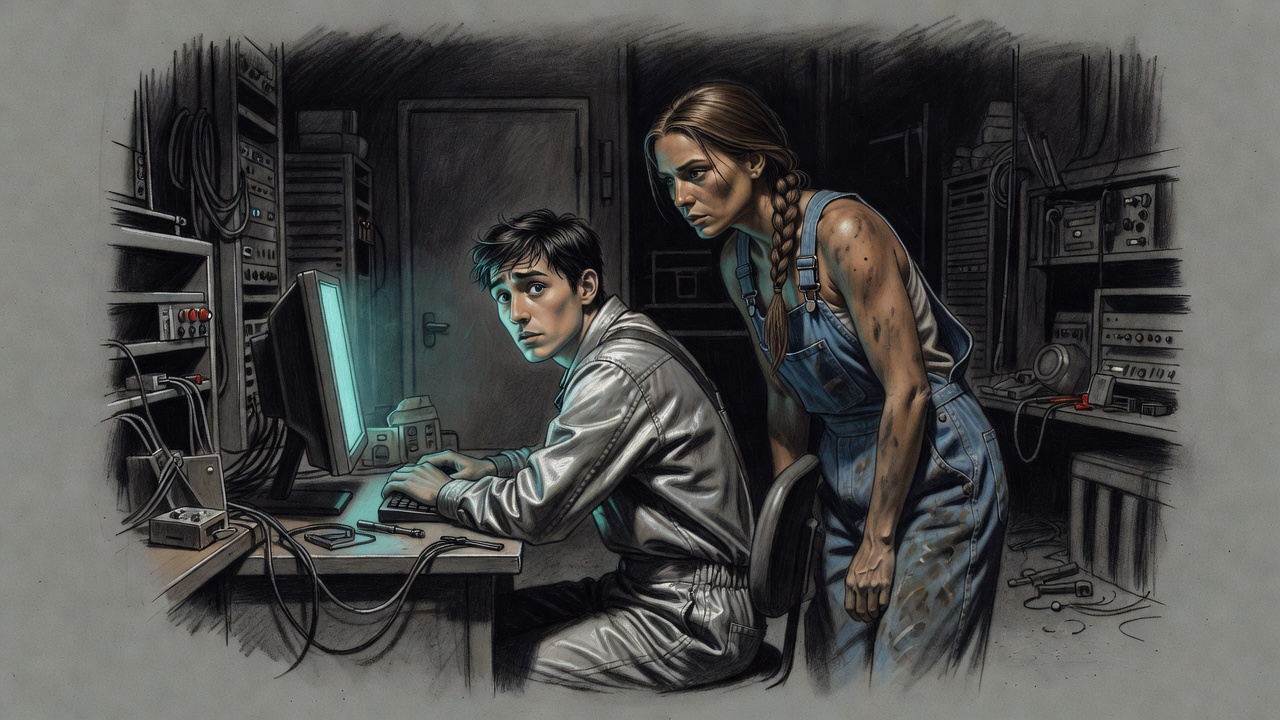
Then the people around her start to die. Marnes misses a shift, and she finds him hanged in his apartment. He is buried in the upper dirt farm, to feed the roots, and Bernard installs Peter Billings as her deputy and preaches continuity. In Holston’s computer history she sees that the sheriff spent his last years as a night rat, retracing Allison’s work. She storms thirty-three levels down to IT and bluffs past the gate, and her friend Scottie, a young tech terrified behind a locked door, shows her what Holston found: a program that could make a picture like the wallscreen look real. The next morning Scottie is found hanging. Billings takes her into custody; through the bars she reminds Bernard that the Pact forbids one man to be mayor and head of IT at once, and is sent home to Mechanical.
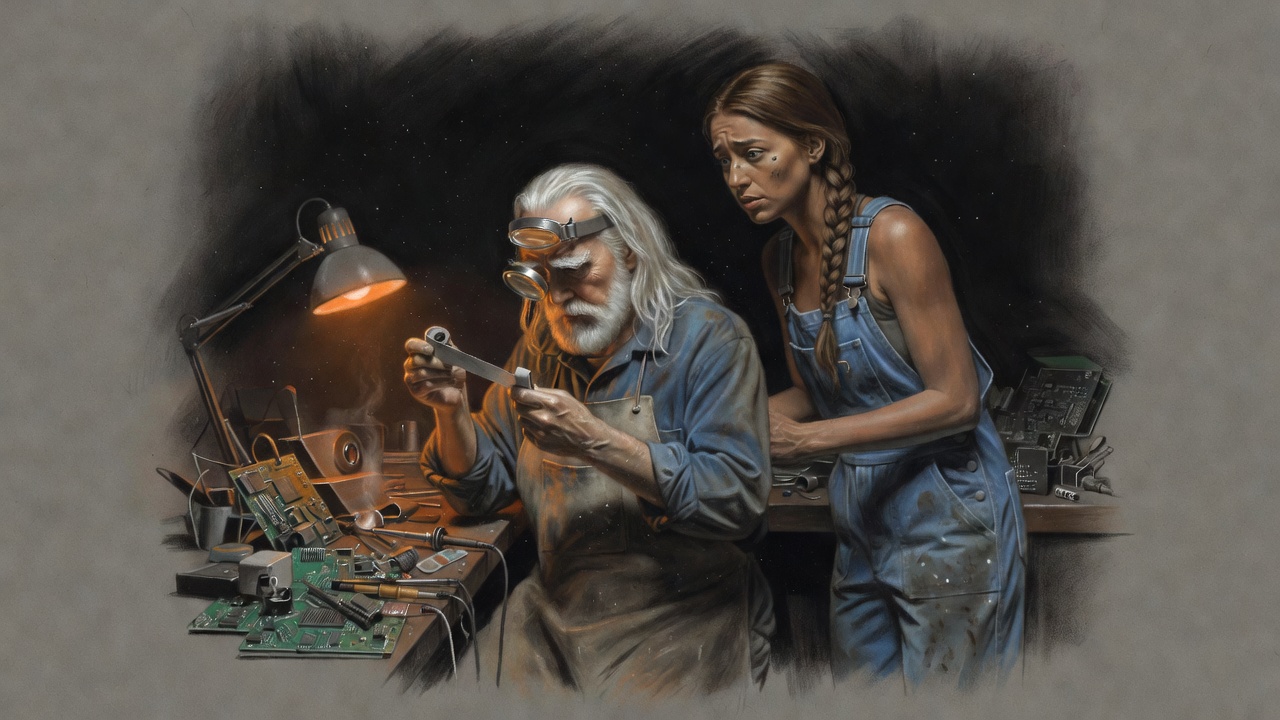
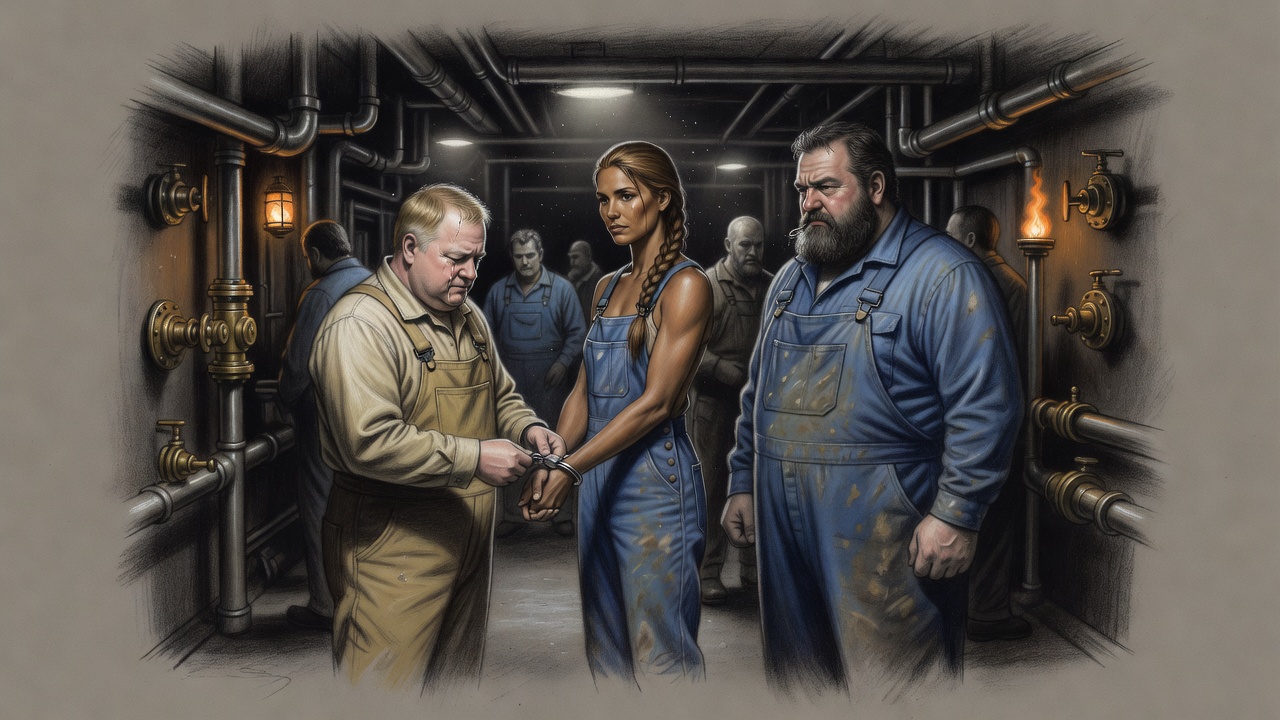
There Walker, the reclusive old electrician who taught her as a shadow, helps her read a riddle Scottie left about heat tape and a joke. IT’s tape, and its seals, are made to fail. Then Hank, the down-deep deputy, arrests her with tears running down his face while Knox chews his beard. The charge is crimes against the silo; the sentence is cleaning.
The climb up takes three days, a night in each deputy’s cell. Lukas visits her in the mids. Up top, Pam from the cafeteria brings oatmeal and fried potatoes, and notes come up from Mechanical all day. Walker’s is the one that matters.
No fear. No fear. No fear. Now is for laughing. The truth is a joke.
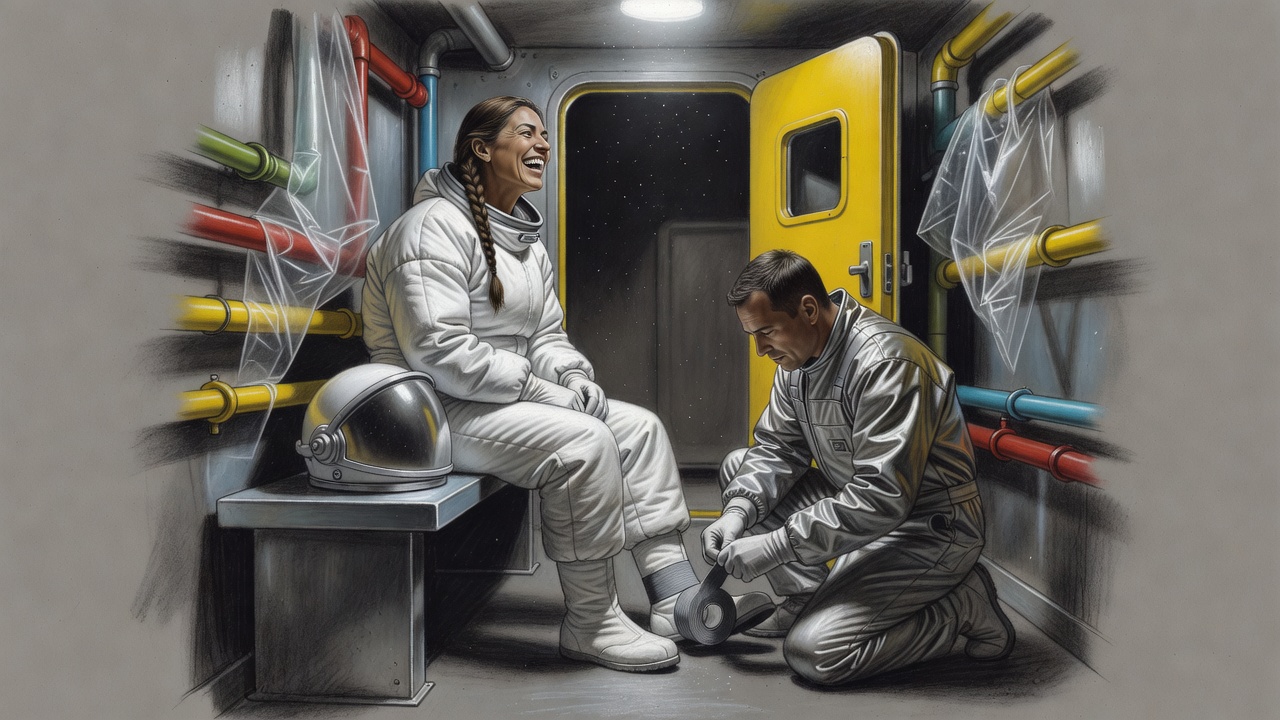
It closes with a line about Supply: they are good in Supply. She has decided not to clean and is proud of her own obstinacy, and when the suit tech wraps her in tape she knows is made to fail while promising her the best, she laughs. Bernard watches from the cafeteria, as he has watched nearly a dozen cleanings. The small white figure lumbers up the ramp, past the sensors and on up the hill, and the grime stays on the lenses. No one in living memory has refused. He hurries down to IT to tell Silo 1 there may be a problem.
The Unraveling
The chapters now open with lines from Romeo and Juliet, which the silo knows as The Tragic Historye of Romeus and Juliette; Juliette’s parents meant to name a child from it. Lukas imagines the long drop from eighty-two, then collects a box of her things from the mids deputy.
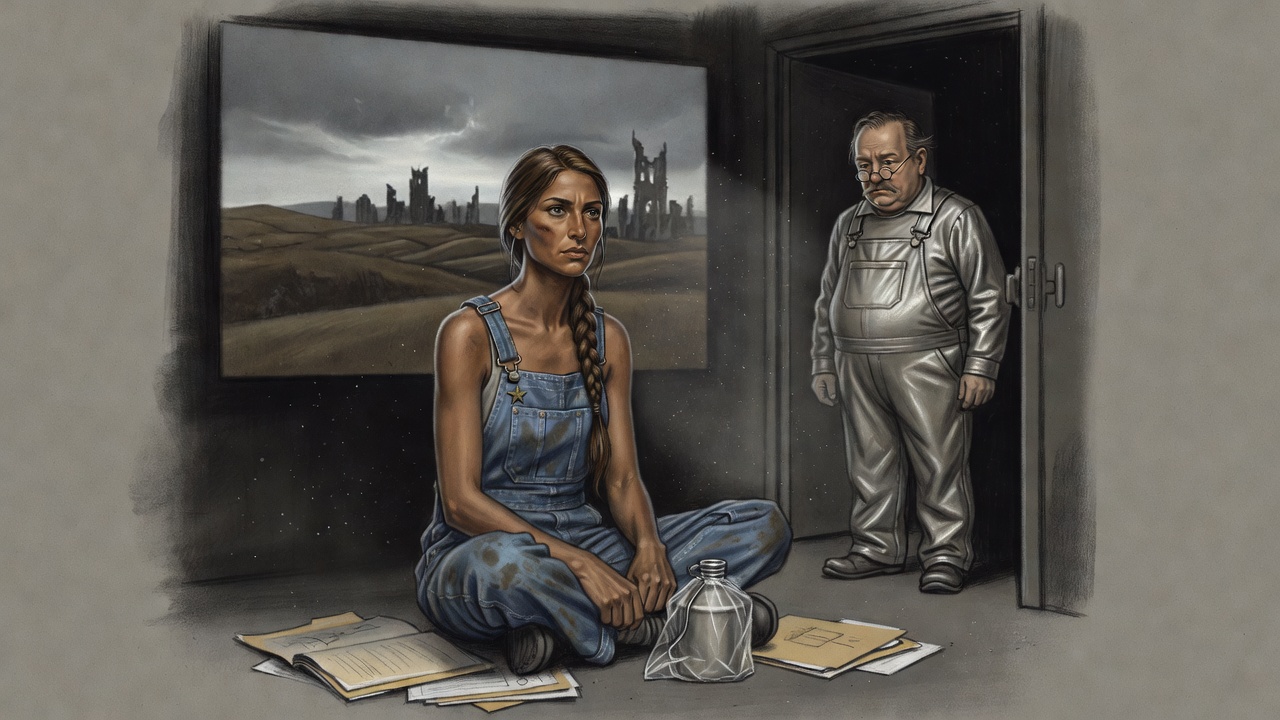
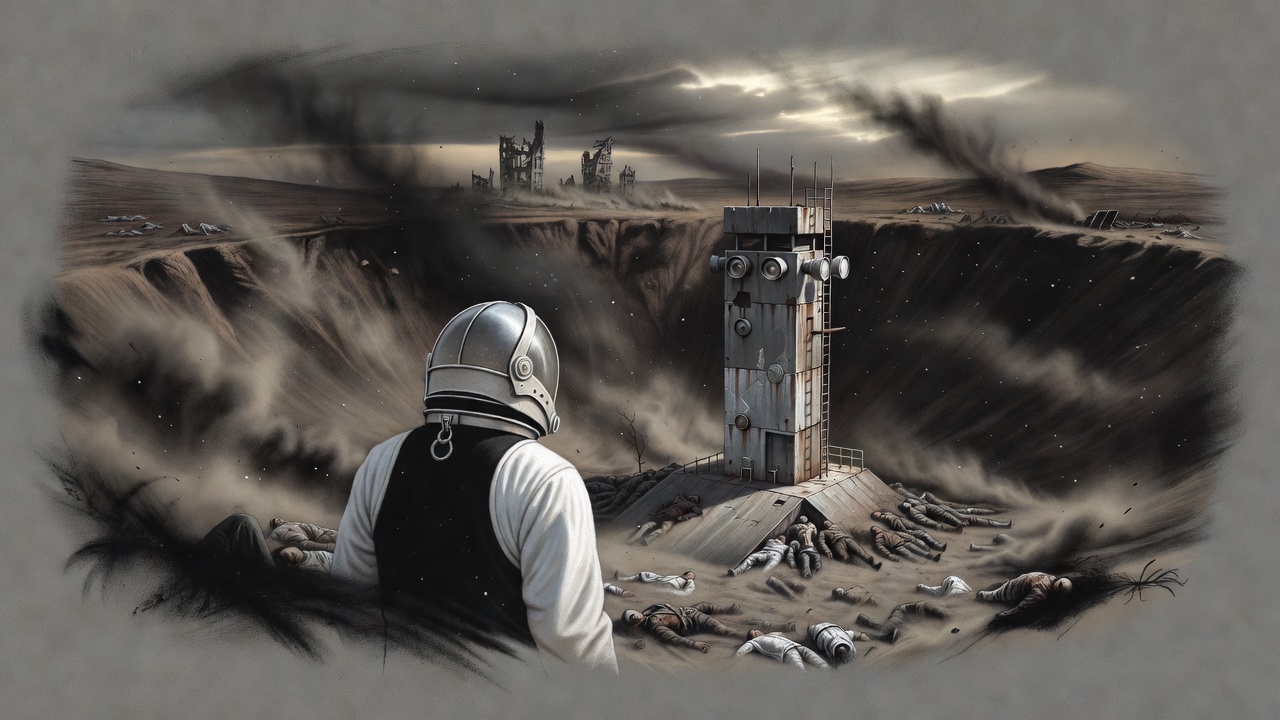
Outside, her visor shows her the paradise it showed Holston — grass like new carpet, linen-white clouds, birds — but her suit does not fail. Walker called in favors, and Supply skinned it in Mechanical’s tape instead of IT’s. She passes the two rocks that are Holston and Allison, turns her back on the false view and walks on, over the hill and out of the sensors’ sight, until the visor’s picture simply stops and dead grey dunes show through. Beyond them, in a bowl, stands another sensor tower above another silo, its ramp choked with the bodies of people who came out and tried to get back in, its airlock littered with charred bones. She gets the far airlock shut behind her and spins the wheel in the dark.
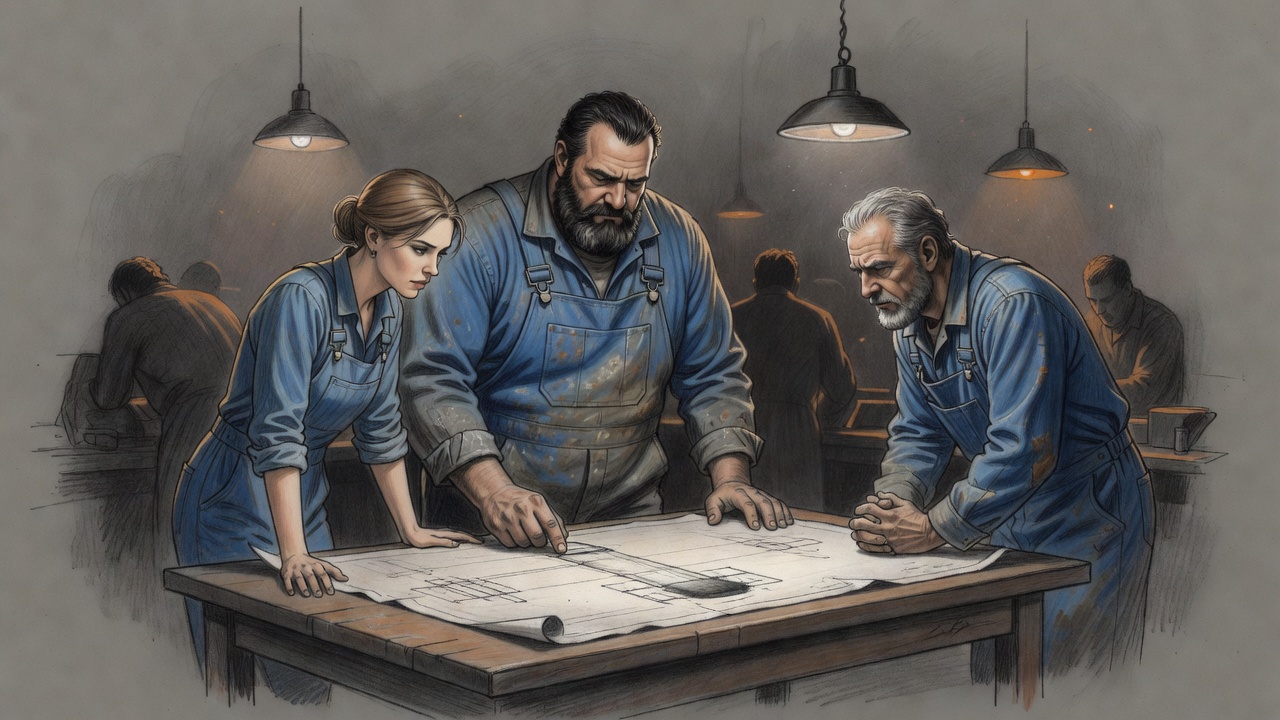
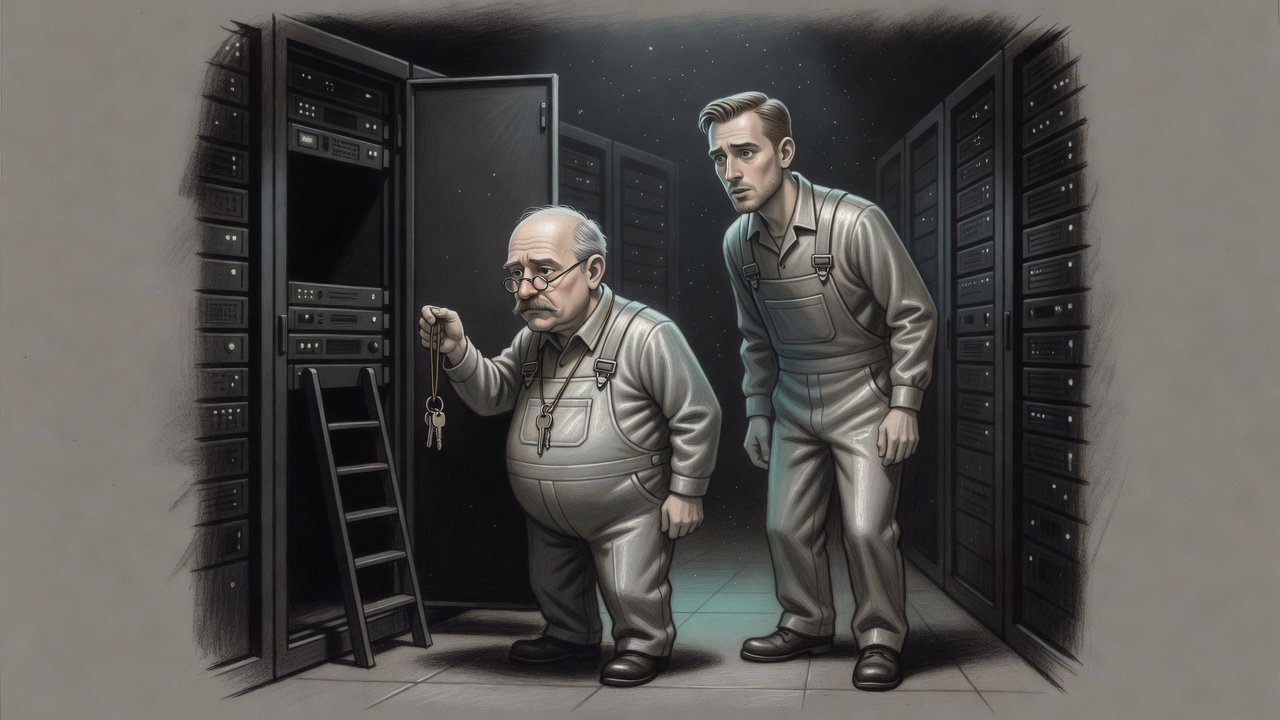
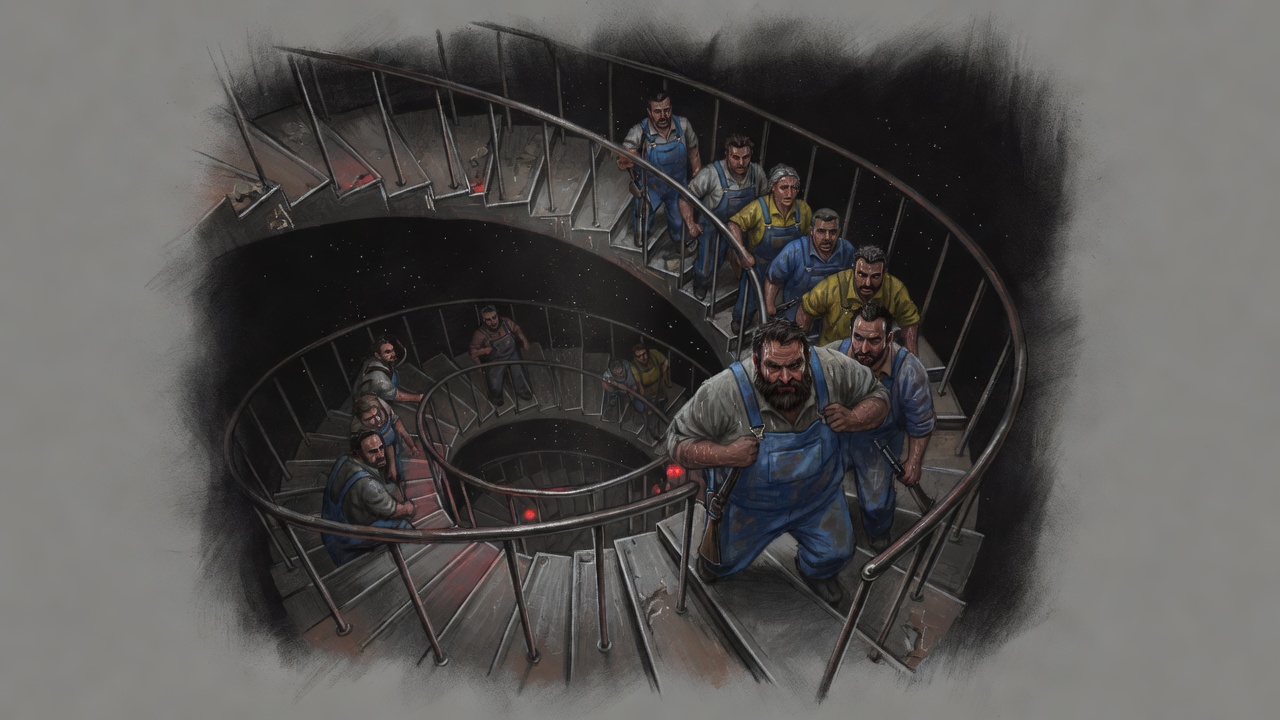
At home Walker leaves his room to tell the Mechanical mess what he did. Bernard rages, throws out his security chief, Sims, and makes Lukas his shadow, and walks him past server thirteen, an empty shell, to a ladder down to the silo’s hidden heart. Knox spreads a blueprint and says it plainly: IT has been sending people out to die, on purpose. He marches Mechanical up to Supply, where McLain has rifles milled; they agree to strike with a power outage, and McLain wants a peaceful transfer that ends with Bernard and a few others pushed out to clean. The mechanics arm themselves with bombs and climb by night, some in yellow overalls to blend into the mids.
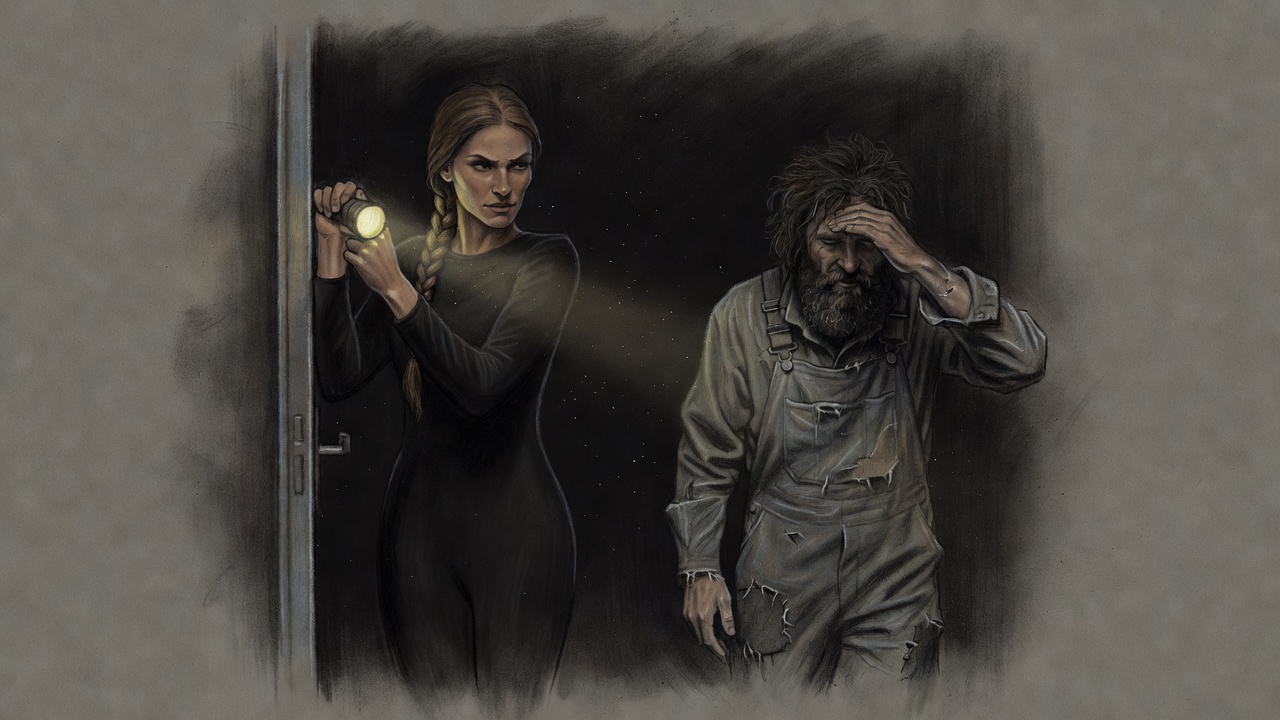
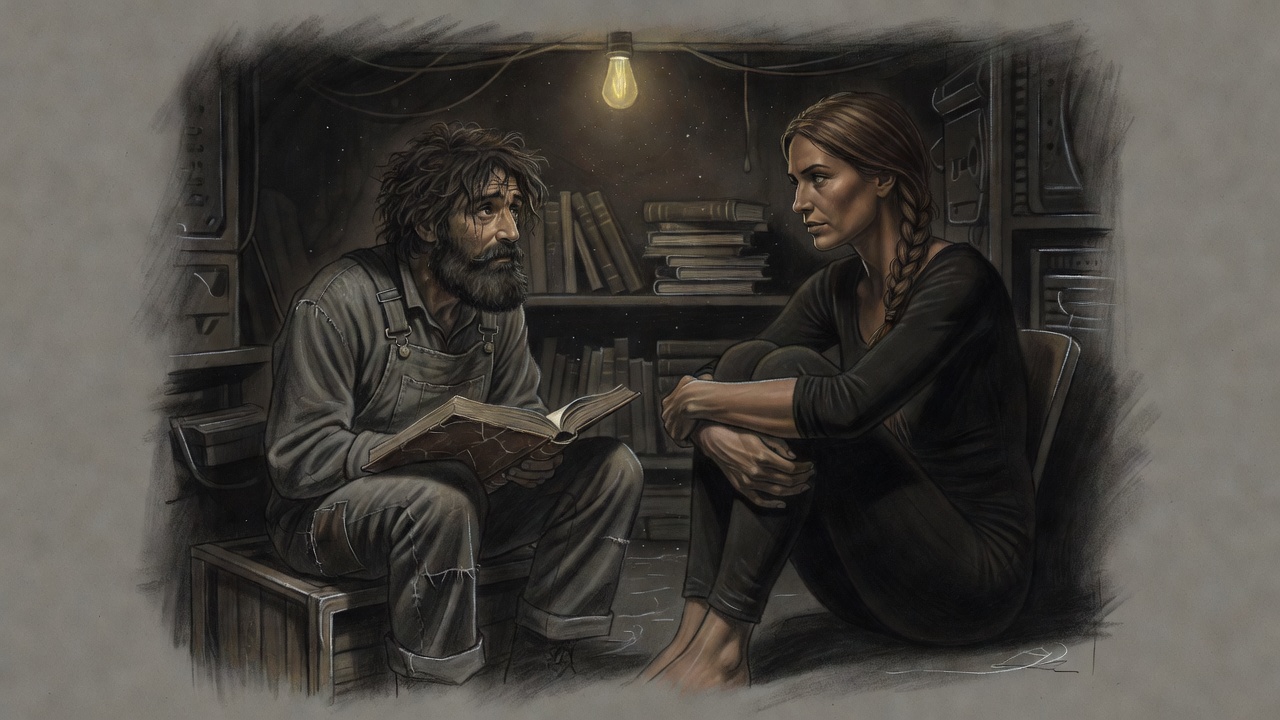
In the dead silo Juliette cuts herself out of the suit and goes down through cold, dark levels, past a dirt farm rotting in the stairwell. On thirty-four a door sticks, and out of the dark comes a wild-haired, bearded man in gray overalls. Solo has been alone for thirty-four years and will be fifty next month. He takes her through a hole in the server-room floor and tells her what silos once were: towers above the ground that kept seed for the bad times.
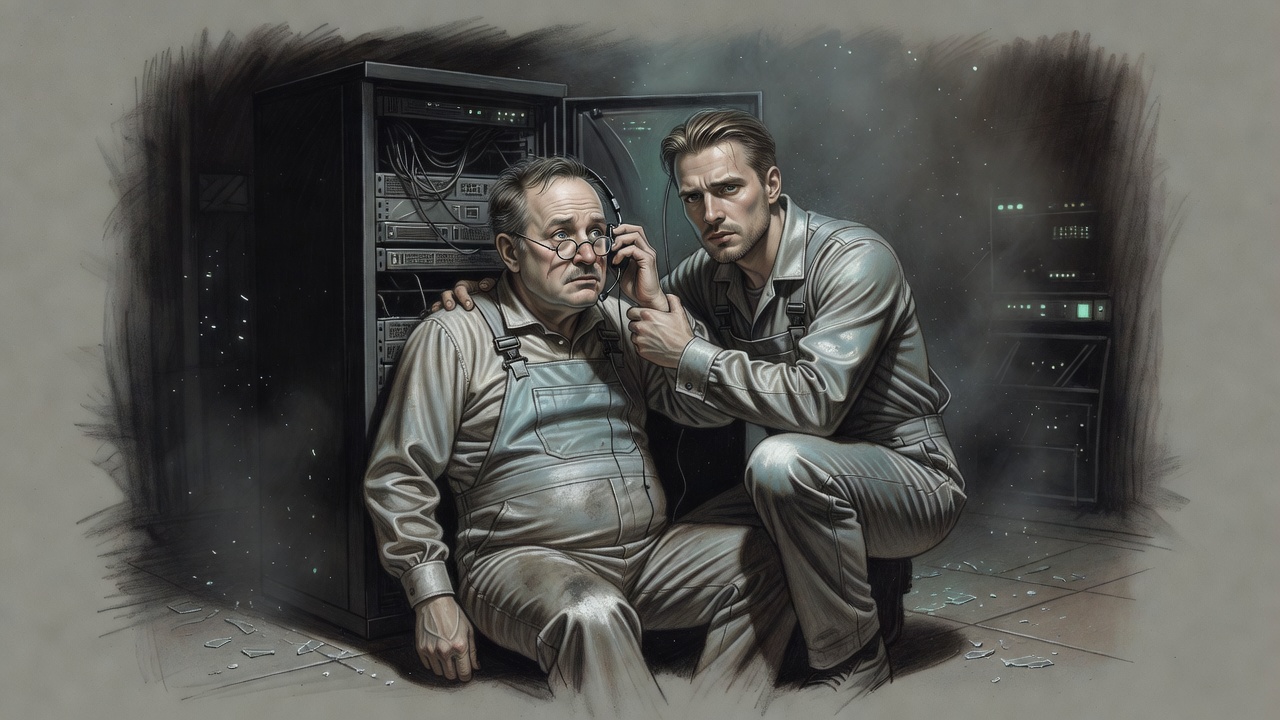
The assault on IT comes in smoke and broken glass. Peter Billings is shot in the shoulder; Lukas, a rifle in his hands, fires at a woman winding up to throw and sees too late that she is old. Bernard, his nose bleeding from a blast, has Lukas help him to the server that talks to other silos. A dead silo is calling.
I’m coming for you. I’m coming home, and I’m coming to clean.
The Stranded
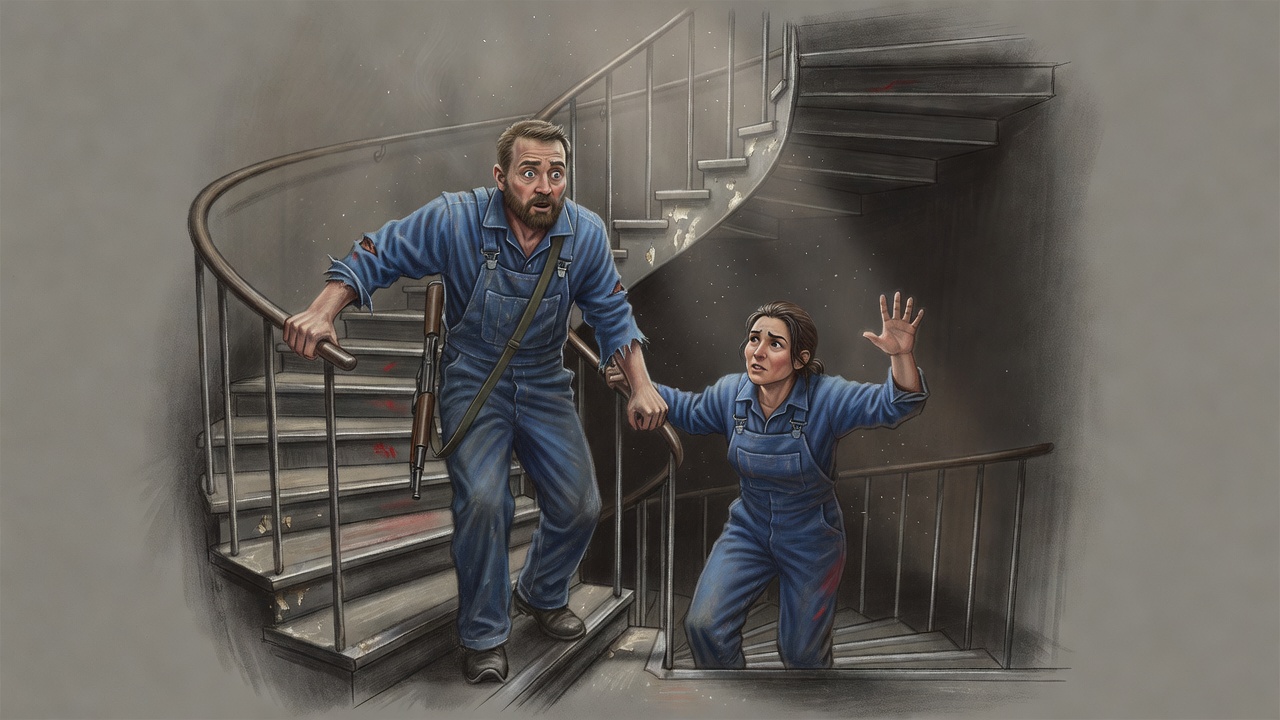
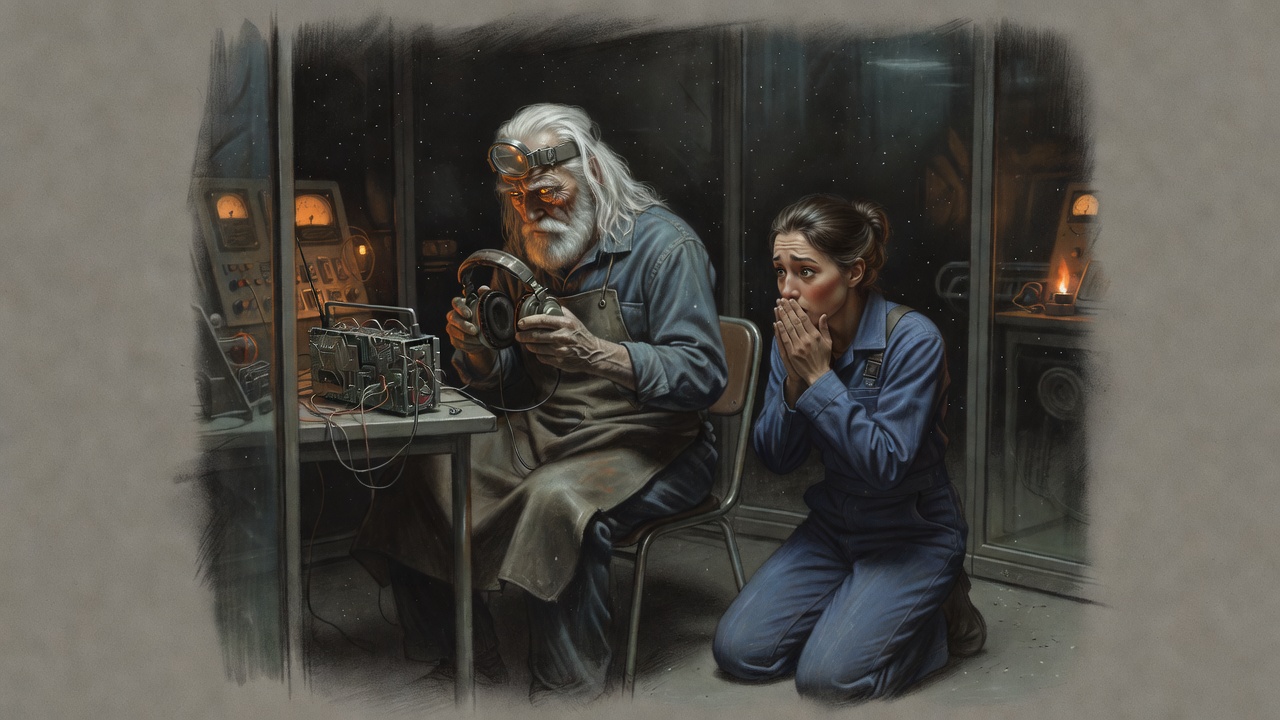
From here every chapter is tagged SILO 18 or SILO 17. In 18 the rising breaks. Marck stumbles down the great stair, half deaf, a rifle under his arm, and finds Shirly: Knox is dead, and McLain; he was right there when the blast went off. He kisses her cheek, runs back up, and is killed on the steps. Three weeks later Mechanical holds out at the bottom under young Jenkins, and Walker and Shirly coax a smuggled radio into life to listen in on IT.
In 17, Juliette has power and grow lights from wiring strung in the silo’s last days, and reckons it will take years of pumping to dry out its Mechanical. In 18, Lukas lives under the servers studying the Order, the silo’s manual of rules, and the history of the world before. Bernard forbids him ever to answer one particular server. He calls Silo 17 on it anyway, Juliette answers, and their talks become nightly.
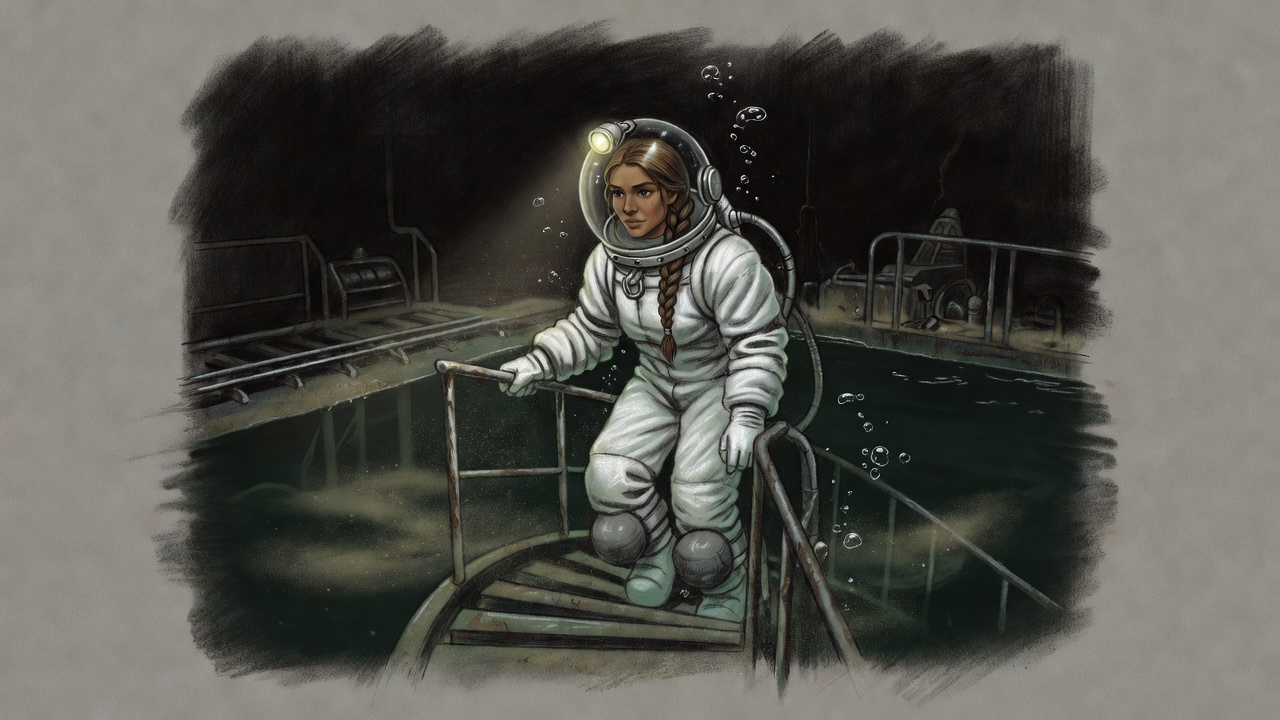
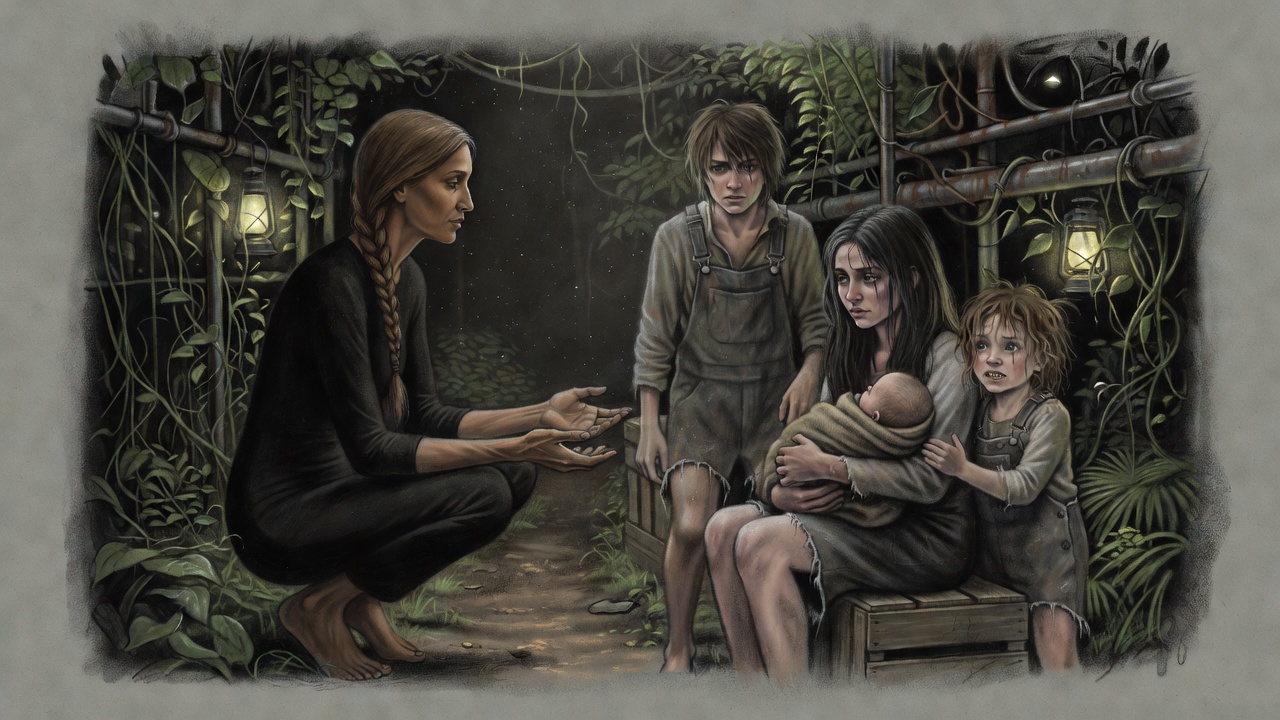
To start the pumps she must reach the drowned machinery. With weights strapped below her knees, a clear dome of a helmet and Solo working the air compressor, she slides down the flooded spiral. The descent is strangely calm; she passes the dead and thinks of George and Scottie. Then the air hose goes limp and Solo stops answering. In 18, Walker and Shirly hear her voice on their radio: she is alive, and there are others. She hauls herself through black water to dry steps, cuts herself out of a freezing suit, and finds Solo struck down but breathing. Whoever did it hides in the overgrown farms: feral children, survivors of Silo 17’s fall — Rickson, little Elise with her loose tooth, a young mother with a baby a few months old.
Lukas finds Juliette’s poem to George in the margins of her copy of the play and learns who he was: George Wilkins, a mechanic. Bernard, who has explained over tea why some knowledge must be stamped out, admits at last that George was murdered.
Some men are like a virus.
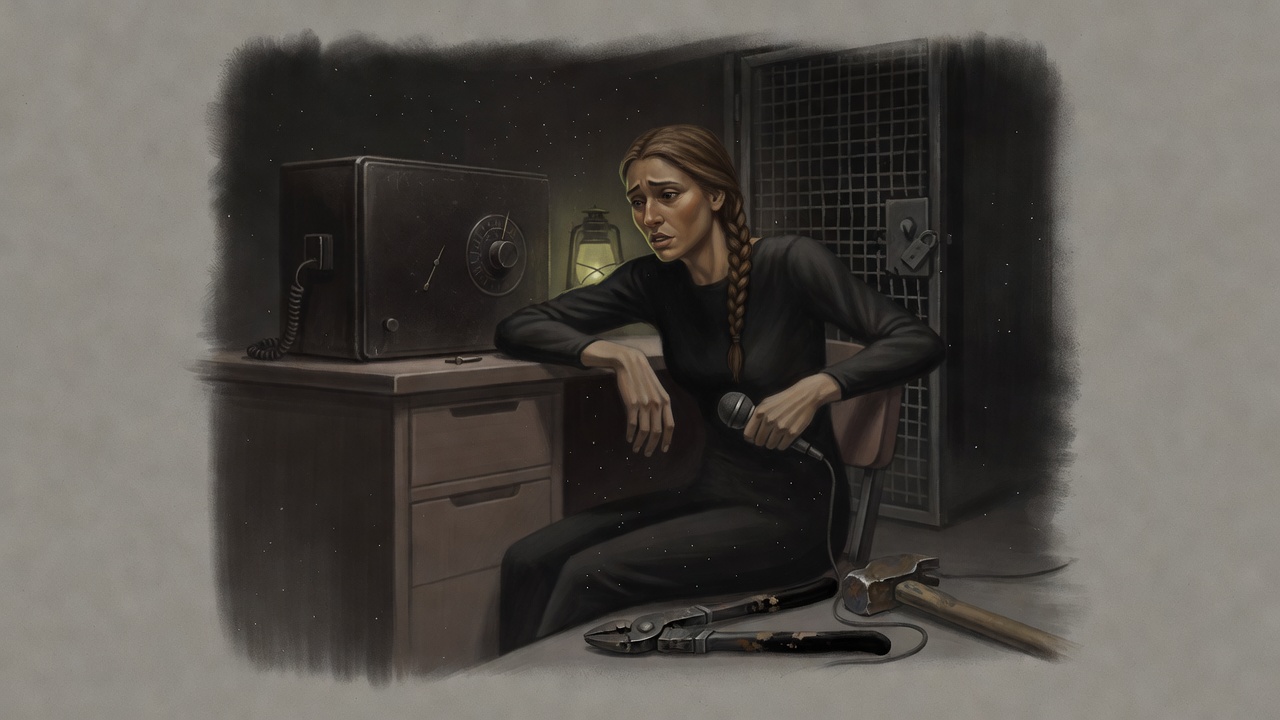
Juliette reaches Walker and begs Mechanical to stop; cutting IT’s cooling will change nothing. It is too late. The rising is crushed and dozens are dead. When Lukas asks to be let out of the server room, Bernard makes him say the words aloud: he wants out. Juliette climbs with Solo and the children, breaks open a locked cage, turns a big radio to home, and hears Bernard: she should be put to cleaning for using this frequency.
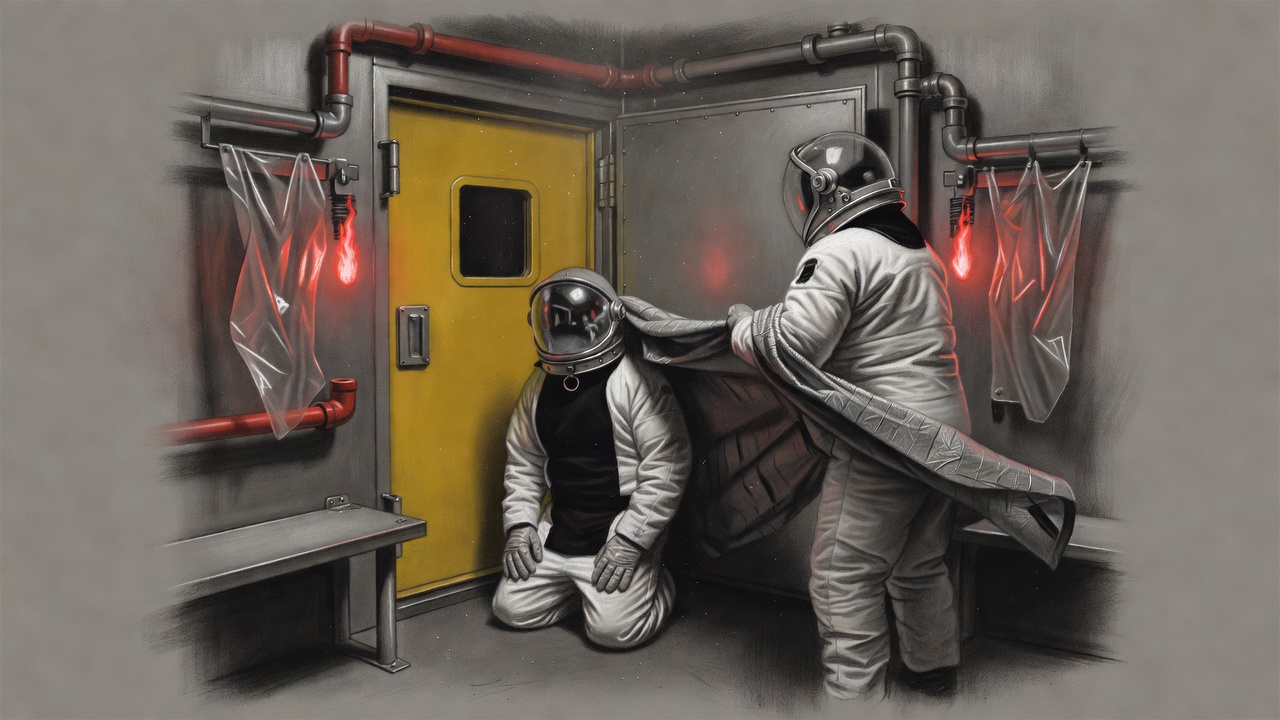
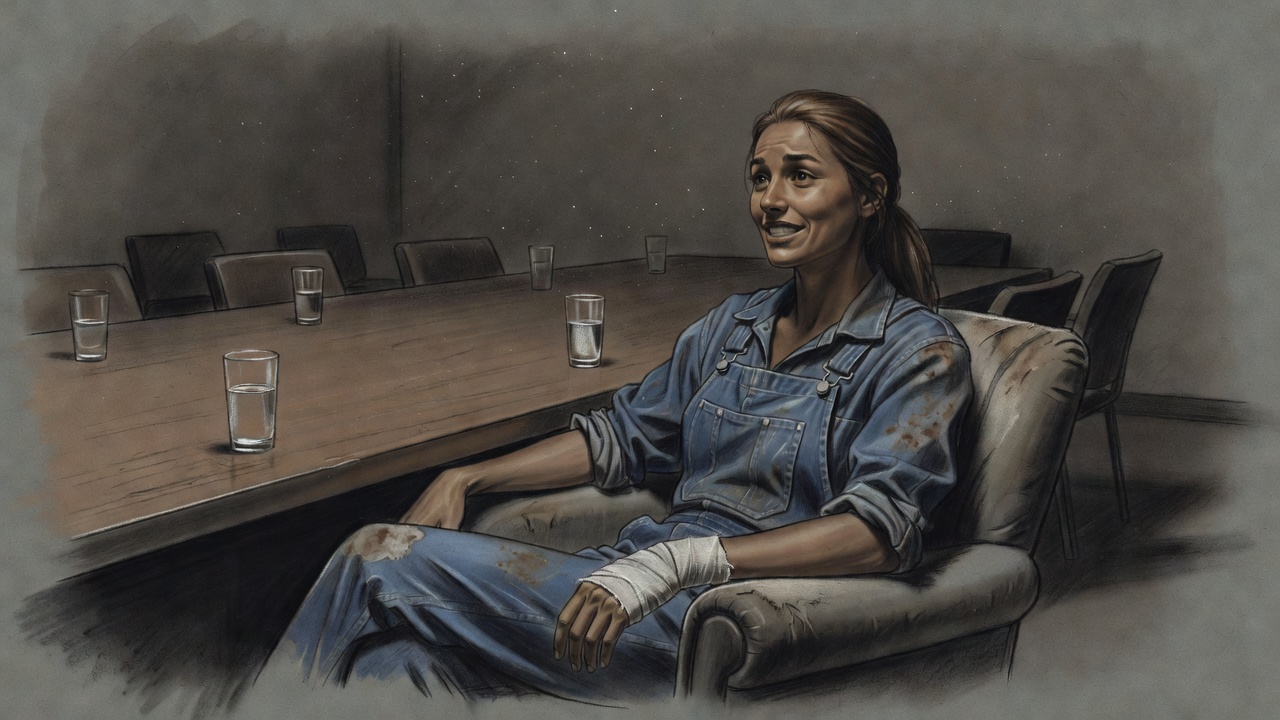
Bernard orders the new sheriff to march Lukas up for cleaning, and tells Juliette her friends are lined up and she knows who goes first. Climbing with Lukas, Peter Billings hears the two of them argue on his radio. In 17, Solo, Jimmy again now, tapes her a blanket of heat tape; she promises to come back for them all. She crosses alone and reaches the ramp as the airlock opens. Inside, a suited figure kneels facing the inner door; the outer door shuts behind her, the nozzles flare, and she throws the blanket over them both. It is not Lukas. It is Bernard, and she finds herself struggling with a man who burns rather than let himself be saved. The choice was Peter’s: with IT’s security a hundred levels down, his was the only gun up top. Juliette wakes, badly burned, in an infirmary on thirty-three. Weeks later, at a conference table with Lukas and Peter, she learns she is mayor: the election was called off when Bernard went out, and more than half the silo voted for her anyway. She will take it only if they stop lying and tell everyone they are not alone. The book ends with her starting up the stairs to see her father.
What the series took from this book
- One book, two seasons. Apple TV+’s Silo, created by Graham Yost, spends its first two seasons on Wool: season 1 (2023) on Holston, Proper Gauge, Casting Off and the opening of The Unraveling, ending as Juliette walks over the hill; season 2 (2024–25) on The Unraveling and The Stranded.
- Season 1 keeps the spine: Holston asking to go out and locking himself in; Allison’s recovered files and her breakdown (her promise is reworded: if it’s green, she’ll clean); the lottery year with her birth-control implant out, as in the book (the show adds that the removal was faked); the lush visor view and Holston’s death; Jahns and Marnes walking down to recruit Juliette, a rival candidate, the power holiday, the swapped canteens and the poison; Lukas and the stars; Walker’s good suit; Juliette refusing to clean.
- Season 1 stretches the middle. The book sends Juliette out soon after she becomes sheriff; the show holds back the dead world, which the book shows at Holston’s death, until the finale, and makes a season out of what Yost called one line in the book: George Wilkins, Juliette’s dead love, becomes a living character whose death she investigates. Bernard’s villainy, hinted at in the book from the poisoning on, is hidden until episode 8.
- Changed people. Walker becomes Martha Walker, a woman (Yost wanted a mother figure for Juliette); Peter Billings becomes Paul, Judicial’s candidate rather than Bernard’s; Jahns and Marnes become Ruth and Sam; Holston and Allison are given the surname Becker. Marnes is murdered with his own shotgun rather than found hanged; Juliette is arrested on a false claim that she asked to go out; Lukas is sent to the mines instead of becoming Bernard’s shadow.
- Invented for season 1: Judicial as a rival power, with Judge Meadows and Sims as its enforcer (the book’s Sims is IT’s security chief); relics as contraband; the Flamekeepers; cameras behind mirrors; Freedom Day; a door beneath the silo; and the finale’s ring of other silo craters, where in the book Juliette learns of other silos only after she finds one.
- Season 2 keeps the ramp heaped with the dead, the dark silo, Solo, the dive with Solo on the air line, the feral young survivors, Lukas as Bernard’s shadow, and an airlock fire with Bernard in it.
- Season 2 changes most of what surrounds them. Solo is found behind IT’s vault door and named Jimmy Conroy (the books’ Jimmy Parker). There is no radio contact between the silos — Yost wanted her return to come as a surprise that ends the rebellion — so the nightly talks with Lukas, the voice Walker and Shirly hear and the call home are gone. The children are older, armed and led by an invented Audrey. Knox lives and the uprising wins, where the book’s is crushed and Knox, McLain and Marck die; Martha Walker informs for Bernard, where the book’s Walker eavesdrops on IT.
- The airlock. Juliette comes home in a firefighter’s suit rather than carrying Solo’s heat-tape blanket; Bernard walks into the airlock by his own choice and she steps in with him, and the season ends in the flames. In the book Peter Billings sends him out in Lukas’s place, and he burns.
- Afterwards. Season 3 (2026) opens with Juliette as mayor, as the book leaves her, but with her memory wiped, and reveals that Bernard survived the fire: “In the books, Bernard dies. We thought, ‘No,’” Yost said at San Diego Comic-Con in 2026.
Continuity notes
- Holston: dies on the hill in Part 1 beside Allison, who went out three years before; in Part 4 Juliette’s visor paints their bodies as two rocks.
- Jahns: poisoned in Part 2 with water meant for Marnes; it was his canteen that was poisoned (p. 161). Bernard’s people filled the canteens; Bernard confesses outright only to George’s murder on the pages searched.
- Marnes and Scottie: both found hanged in Part 3. The text leaves the causes open; Wikipedia says “apparently of suicide.”
- Juliette: 34; Mechanical shift foreman, then sheriff (Parts 2–3), then condemned to clean. In Silo 17 she cuts off the outer suit and wears its black undersuit (pp. 268, 380, 454), which is how the frames show her there; the dive suit’s helmet is a clear dome (p. 380), and she crosses home in a clear dome too (ch. 80). She returns badly burned, recovers in the infirmary on 33, and is elected mayor; Dust opens with her as mayor and scarred.
- Lukas: 25; IT, then Bernard’s shadow (Part 4), Juliette’s nightly voice (Part 5); condemned to clean, spared, alive at the end. In Dust he remembers watching Bernard choose the fire over rescue (p. 228).
- Bernard: Bernard Holland in full (pp. 66, 129, 165), the name the series also uses; head of IT throughout, acting mayor from Part 3; dies in the airlock fire at the end. Holston and Allison have no surname in the book; “Becker” is the show’s.
- Peter Billings: Judicial clerk, Bernard’s candidate, Juliette’s deputy, then sheriff; shot in the shoulder at IT; the man who sends Bernard out in Lukas’s place (ch. 81); alive.
- The uprising: Knox and McLain dead at IT (“I was right there when the blast went off,” p. 335) and Marck shot on the stairs (p. 339; Dust p. 35); dozens dead in all, three or four times as many in custody (p. 470). Walker, Shirly and Courtnee survive.
- Silo 17: Solo, nearly fifty, alone 34 years until Juliette, then with the children, left behind when she crosses home with a promise to come back. Wool already calls him Jimmy (p. 442; ch. 79); Shift gives his surname, Parker, and his story; Dust begins the dig toward him.
- The silos: Bernard answers to Silo 1 (pp. 205, 323); Lukas sees a schematic of the silos with many crossed out in red (pp. 293, 435), Bernard puts the survivors at forty-seven (p. 432), and Solo shows Juliette a map of fifty or so (p. 311). Who built them, and why, is Shift’s.
Notes
- Titles. All five are knitting words, and Part 2 says so: Jahns’s proper gauge of needle (p. 43), the snip that sets a whole sweater unravelling (p. 50). The cleaners’ scrubbing pads are wool (p. 21).
- Devices. Part 1 alternates “Present Time” with “Three Years Earlier”; Part 3 opens with a one-page flash-forward; Part 4’s chapters carry lines from Romeo and Juliet, and Juliette’s poem to George sits in the margins of her copy; Part 5’s chapters are tagged SILO 18 or SILO 17.
- The ending, and how sure we are. Google Books’ copy of the 2013 paperback is searchable only to p. 483 (Bernard on the radio). The last chapters (78–82) were checked in the searchable 2020 Houghton Mifflin Harcourt edition, pp. 530–567: Billings escorting Lukas up while his radio carries Juliette and Bernard arguing; Solo’s blanket and his wish to be Jimmy again; the kneeling figure and the clear-domed rescuer; the infirmary on 33; “It was all Peter”; the election. Dust agrees: she remembers thinking Lukas was in the suit, “and then struggling with Bernard instead” (p. 133), being told she was mayor (p. 55), and Lukas watched Bernard burn “rather than allow himself to be saved” (p. 228). Goodreads readers complained that the resolution turns on the decision of a near-stranger, Billings.
- Readers’ arguments. The texture — the stairwell, the knitting, bubbles rising like solder — is what they love; Lukas as a passive hero and the abrupt, told-not-shown ending are what they argue about.